Gas Leak Brisbane: Emergency Steps and Who to Call Right Now
If you smell gas right now, do these 4 things in order
If you've landed on this page because you can smell gas in your home, read this section first. Everything else can wait.
- Get everyone out. Take people and pets outside immediately. Don't stop to grab belongings. Move to a safe distance from the property, ideally across the road.
- Don't create any spark. Do not flick light switches, use mobile phones inside, light a cigarette, start a car, or operate anything electrical near the leak. A spark can ignite gas vapour.
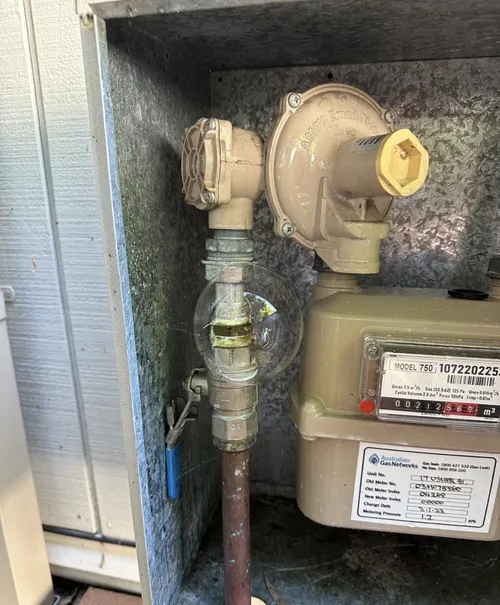
- If safe to reach, turn off the gas at the meter. Locate your gas meter (usually beside the house or in a meter box at the front), and turn the shut-off lever 90 degrees so it sits across the pipe. Skip this step if the meter itself is leaking or if you'd have to walk through gas-affected areas.
- Call from outside, away from the property. Tap 000 if there's any immediate danger (fire, anyone unwell, strong gas smell, or visible damage). Otherwise, call your gas distributor: 1800 427 532 for Australian Gas Networks (north of the Brisbane River) or 1300 763 106 for Allgas Energy (south of the river). For LPG bottle leaks, call the supplier listed on the bottle.
Don't go back inside until a licensed gas authority engineer or gas fitter has confirmed the property is safe.
Brisbane gas emergency numbers
Save these numbers in your phone now if you have gas at home. They're free and operate 24 hours a day, every day of the year.
Triple Zero (000): call first if there's fire, an explosion has occurred, anyone is unwell, or you suspect immediate danger.
Australian Gas Networks: 1800 GAS LEAK (1800 427 532): for natural gas leaks north of the Brisbane River, including the Brisbane CBD, Brisbane Northside, Ipswich, and parts of regional Queensland (Gladstone, Rockhampton, Bundaberg, Hervey Bay, Maryborough). This covers Weekend Plumbing Co.'s entire Brisbane Northside service area.
Allgas Energy: 1300 763 106: for natural gas leaks south of the Brisbane River, the Gold Coast, Toowoomba, and Oakey.
LPG (bottle gas): call the supplier whose name is on the bottle. Common Queensland suppliers include Origin, Elgas, Kleenheat, and Supagas. The emergency number is usually printed on the bottle itself.
Before You Dig Australia (BYDA): lodge a free enquiry online at byda.com.au before any digging or excavation work.
If you don't know which side of the river you're on or you can't find your bill, just call 1800 427 532 anyway. They'll redirect if needed. The priority is getting through to someone, not picking the right number.
Table of contents
- Emergency steps if you smell gas right now
- Brisbane gas emergency numbers
- How to tell if you have a gas leak
- Natural gas vs LPG: what's different in an emergency
- What NOT to do during a gas leak
- Common causes of gas leaks in Brisbane homes
- Carbon monoxide: the silent gas hazard
- After the emergency: what a licensed gas fitter does
- What gas leak repair typically costs
- Annual checks worth doing to prevent gas leaks
- When to call a gas fitter vs the gas authority
- FAQs
How to tell if you have a gas leak
Gas leaks don't always announce themselves the way people expect. The smell is the most obvious sign, but it isn't the only one. Here's the full list of what to look out for.
The smell
Both natural gas and LPG are odourless in their natural state. Suppliers add a chemical called mercaptan that smells strongly of rotten eggs, sulfur, or skunk. If you smell rotten eggs anywhere near gas appliances, the meter, or in the yard near gas pipes, treat it as a leak until you've confirmed otherwise.
The smell is added at concentrations far below the level needed for ignition, which means you'll usually smell a leak well before it's dangerous. Trust your nose.
The sound
A hissing, whistling, or roaring sound near a gas pipe, fitting, or appliance can mean gas escaping under pressure. This is more common with leaks at fittings or where a pipe has been damaged. Outdoors, a buried supply line leak can sometimes be heard as a low whistle near the meter.
The visual signs
- A flame at a gas appliance burning yellow or orange instead of blue suggests incomplete combustion, which can be a sign of supply or appliance issues.
- Soot marks or scorching around a gas hot water unit, cooktop, or heater.
- Bubbling water in a puddle near a gas meter or pipe (a sign of escaping gas pushing through standing water).
- Dead or wilting plants near a buried supply line, when surrounding plants are healthy.
- A visible hissing flame at the meter or pipe, which means ignited gas. Get out and call 000 immediately.
The physical symptoms
If you or anyone in the home is feeling any of these without a clear cause, suspect a gas issue:
- Headaches that improve when you leave the house
- Dizziness or light-headedness
- Nausea
- Eye or throat irritation
- Drowsiness or trouble concentrating
- Shortness of breath
If multiple people in the home feel any of these, or pets seem unwell, evacuate immediately and call the gas authority. These can be signs of either a gas leak or carbon monoxide exposure. Both are serious.
The unexplained gas bill
If your gas bill jumps sharply without a matching change in usage, it can be a sign of a slow leak somewhere on the property. It's not an emergency in itself, but it's worth booking a licensed gas fitter for a leak test before it becomes one.
Natural gas vs LPG: what's different in an emergency
Most Brisbane homes use one of two gas types. They behave differently in a leak situation, so the emergency response is slightly different.
Natural gas
Piped in from the street through a gas meter. Inner Brisbane suburbs and parts of the Northside and Moreton Bay have mains gas connections. Natural gas is lighter than air, so it rises and disperses upward when it leaks. This is generally safer in a ventilated space, but it can pool in roof cavities, the top of stairwells, or any high enclosed area.
In an emergency:
- Open windows and doors on the way out to ventilate up and out
- Turn off at the gas meter if safe
- Call the gas distributor (AGN or Allgas, depending on your side of the river)
LPG (Liquefied Petroleum Gas)
Stored in bottles, usually two 45 kg bottles in a cage at the side of the house. Common in Moreton Bay, outer Brisbane Northside, and any area without mains gas access. LPG is heavier than air, so it sinks and pools at floor level. This makes it more dangerous in basements, garages, under decks, and any low enclosed area.
In an emergency:
- Don't ventilate by opening only high windows. Open low windows and doors as well to let the heavier gas escape
- Turn off the bottle valve (top of the bottle, twist clockwise) if safe to reach
- Call the LPG supplier listed on the bottle
- If you don't have the supplier number, call 000
A common mistake with LPG is thinking that turning off the bottle stops the danger. It stops new gas escaping, but any gas that's already pooled at floor level stays there until it's ventilated out. Stay outside until a professional confirms it's clear.
What NOT to do during a gas leak
This is the short list of things people instinctively do that make a gas leak worse. Knowing what to avoid is half the battle.
- Do not turn lights on or off. The spark from a switch is enough to ignite gas vapour. Same goes for any electrical switch, including ceiling fans, range hoods, or the oven.
- Do not use your phone inside the house. Mobile phones can theoretically generate a spark, and you don't want to be inside anyway. Get out, then call.
- Do not light a match, lighter, or candle. Sounds obvious, but worth saying. No naked flames near a suspected leak.
- Do not start a car parked in the garage or close to the house if you can smell gas. Engines generate sparks.
- Do not try to find the leak yourself. That's the gas fitter's job. Inhaling concentrated gas can cause unconsciousness within minutes.
- Do not turn the gas back on yourself after the authority shuts it off. Once a "Card 9" (gas turned off due to suspected leak) tag is on the meter, it stays off until a licensed gas fitter has tested the system and signed it off.
- Do not assume a small leak is safe. Gas can build up in confined spaces over hours. There's no safe threshold for ignoring a leak.
Common causes of gas leaks in Brisbane homes
In my experience working on Brisbane Northside and Moreton Bay homes, gas leaks come from a fairly predictable set of sources. Knowing what causes them helps you spot the warning signs early.
Aged appliance fittings
Gas appliance fittings degrade over time. The flexible hoses on a gas cooktop or oven, the connections on a gas hot water unit, and the bayonet fitting at a portable heater all wear out. Most flexible gas hoses have a stamped manufacture date and are good for around 10 years. After that, they should be replaced.
I see a lot of failed flexible hoses on cooktops in older Wilston, Alderley, and Clayfield homes where the kitchen hasn't been updated in 20 plus years.
Pilot light failures
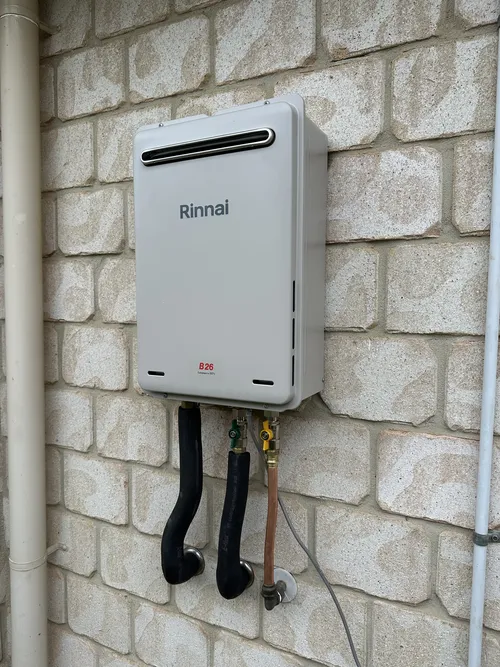
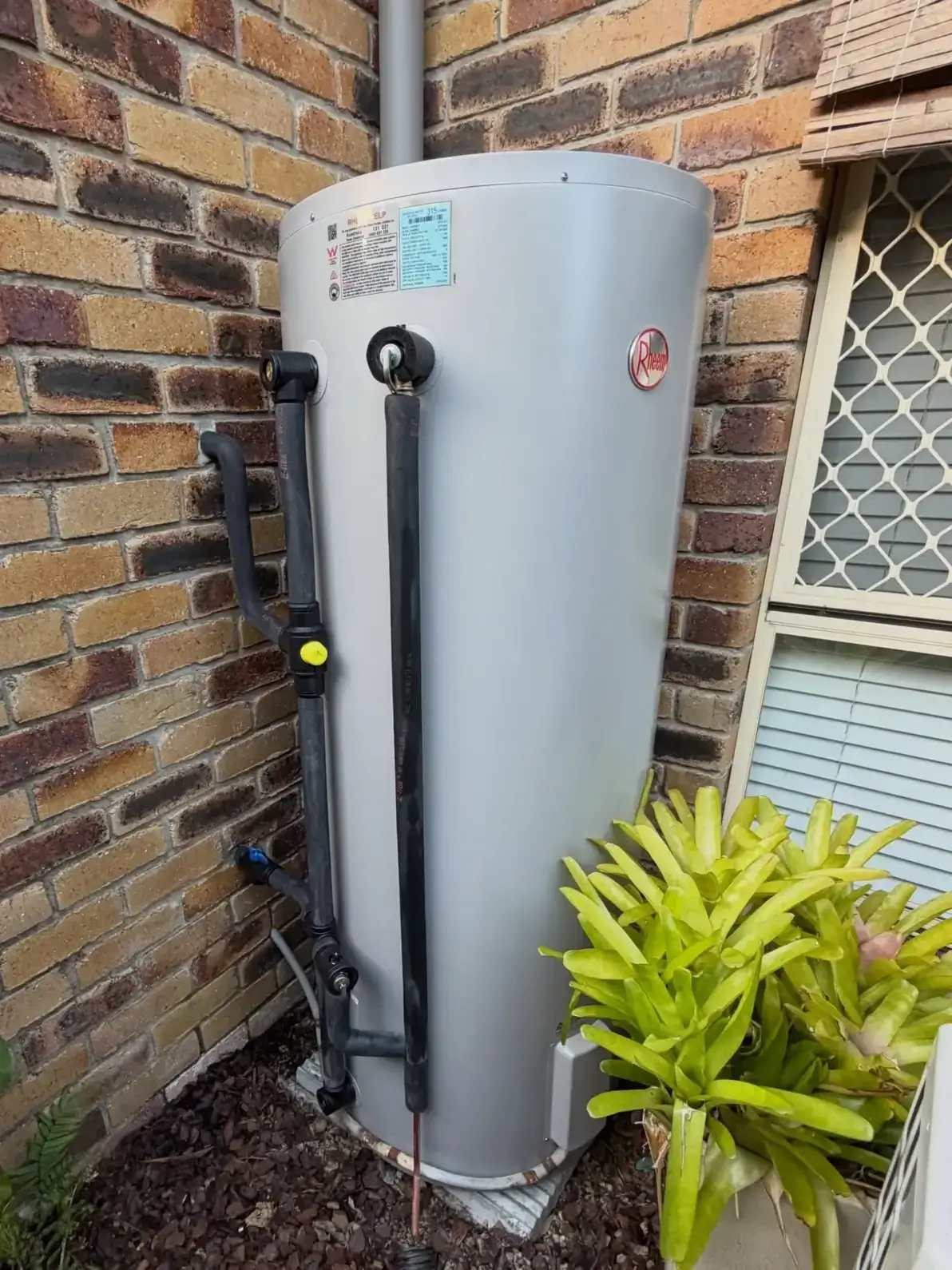
Older gas hot water systems and gas heaters with pilot lights can develop faulty thermocouples, the small safety device that detects whether the pilot is lit. When the thermocouple fails, gas can keep flowing even though the pilot is out. Modern systems with electronic ignition don't have this problem.
If your gas hot water keeps "going out" and needs relighting, get it inspected. The fix is cheap. Ignoring it isn't.
Damaged or corroded supply lines
The gas line from the meter to the house, and from the house to the appliances, can corrode where it's buried in the ground or runs through damp wall cavities. Brisbane's humid climate doesn't help. I've replaced supply lines on Moreton Bay homes near the coast where salt-laden air had eaten through copper fittings in less than 15 years.
Tree root damage is another cause, especially with shallow buried supply lines. If you've had any major landscaping done near the gas line, get it inspected.
Loose fittings after appliance work
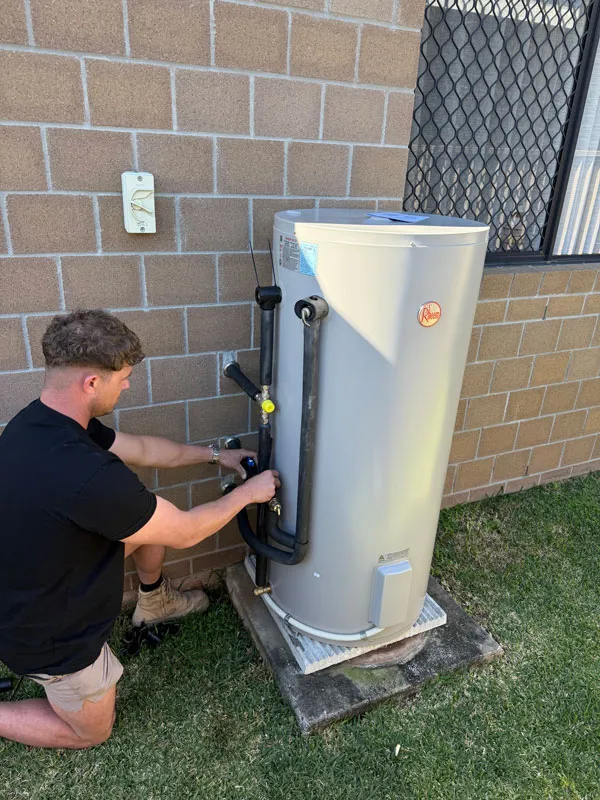
Anytime a gas appliance is moved (during a kitchen reno, when replacing the cooktop, or when a hot water unit is swapped), the fittings need to be properly retightened and pressure tested. Any new gas appliance installation also has to be done by a licensed gas fitter and pressure-tested before being signed off. DIY work on gas is illegal in Queensland and one of the most common causes of leaks I get called out to. If you've had any non-gas work near a gas appliance recently and now you smell gas, that's likely the cause.
Skipping a Before You Dig enquiry
A surprising number of gas leaks happen when someone digs through a buried supply line. Before You Dig Australia (BYDA), formerly known as Dial Before You Dig, is a free national service that maps out all utilities on a property before excavation. You lodge an enquiry online at byda.com.au, get the asset plans back, then dig safely. Skip it, and you can hit a gas line, water main, or telecoms cable. The fines are steep, the gas leak is dangerous, and the repair is expensive.
Carbon monoxide: the silent gas hazard
Carbon monoxide isn't the same as a gas leak, but it's worth covering on this page because it's caused by gas appliances and the symptoms overlap.
What it is
Carbon monoxide (CO) is a colourless, odourless gas produced when fuel burns incompletely. With gas appliances, that means a faulty burner, a blocked flue, an unflued heater, or a gas hot water system that isn't venting properly.
You can't smell CO. You can't see it. The only way to detect it is with a CO alarm or by recognising the symptoms.
CO symptoms
- Headache (often the first sign)
- Dizziness
- Nausea
- Confusion
- Drowsiness or fatigue
- Chest pain or shortness of breath
The danger sign is when multiple people in the home feel these symptoms at the same time, or symptoms improve when you leave the house and come back when you return. Pets often show signs first because of their smaller body weight.
CO alarms
A battery-powered CO alarm costs $30 to $80 from any hardware store. If you have any gas appliance in your home, especially a gas hot water system, gas heater, or unflued heater, fit at least one CO alarm. Mount it at head height (CO mixes with air, doesn't sink or rise), in or near the bedroom hallway.
It's the cheapest piece of safety gear in your house. Buy one this week if you haven't already.
When to suspect CO
If anyone in the house has unexplained flu-like symptoms, especially if they improve outdoors, get out and call your gas authority. They'll send an engineer to test for CO. If the levels are high enough to be dangerous, they'll tag the relevant appliance off.
The Queensland Government has more detail on gas safety in the home if you want to read further.
Once the immediate danger has been handled by the gas authority and any CO concerns have been ruled out, getting your gas system back up and running is straightforward. Here's what's involved.
After the emergency: what a licensed gas fitter does
Once the gas authority has made the immediate situation safe, you'll need a licensed gas fitter to actually fix the problem. There's a clean division of responsibility:
- The gas authority (AGN or Allgas) handles the gas main, the service line up to and including the meter, and the immediate make-safe response. They don't repair anything past the meter.
- The licensed gas fitter handles everything from the meter outlet to your appliances, including pipework, fittings, appliance servicing, and compliance certification.
Here's what a typical gas fitter callout looks like after a leak:
- Pressure test the system. The fitter isolates sections of the gas pipework and tests each one for pressure drop. This is how they pinpoint where the leak is.
- Identify the failed component. Could be a flexible hose, a fitting, a buried section of supply line, or a faulty appliance.
- Repair or replace. Most appliance fittings are a quick swap. Buried supply line repairs can require excavation.
- Re-pressure test. After the repair, the system gets pressure tested again to confirm it's tight.
- Lodge a gas compliance certificate. Required under the Queensland Plumbing and Drainage Act 2018 and the Petroleum and Gas (Production and Safety) Act 2004. The certificate goes to the QBCC and gives you a paper trail.
- Restore supply. If the gas authority shut the supply off, the fitter coordinates with them to turn it back on.
You can verify any gas fitter's licence at the QBCC online register before they start work. It takes 30 seconds and protects you from anyone working without proper authorisation.
If your hot water is the source of the gas issue, you might also want a read of our gas hot water system installation page for more on what's involved in a replacement.
What gas leak repair typically costs
Gas leak repair costs vary widely depending on what's failed and where it is. These are typical Brisbane market ranges in 2026 to give you a frame of reference. They don't reflect any particular plumber's pricing.
- Appliance fitting tighten or replace: $150 to $400. Most common scenario. A flexible hose, a regulator, or an appliance connector that needs swapping.
- Internal pipework repair: $400 to $1,200. A leak at a fitting or short section of pipe inside a wall or under floor. Includes pressure testing and compliance certificate.
- Buried supply line repair: $800 to $2,500 or more. Excavation costs depend on access and how much pipe needs replacing. Concrete or paving over the line adds to the cost.
- Full appliance replacement: $1,500 to $5,000+, depending on the appliance. A gas hot water system, gas oven, or gas heater that's failed beyond repair.
- Gas safety inspection (no repair): $150 to $300. Pressure test, visual inspection, appliance safety check, and a clean bill of health.
If gas hot water is the appliance that's failed and you're weighing repair against replacement, our Brisbane hot water replacement cost guide breaks down the market ranges by system type.
What you should always see on a quote: the gas compliance certificate fee (usually included), the parts being replaced, the labour, and any pressure testing. Anything vague should be questioned. Any gas fitter who won't put their QBCC licence number on the quote should be avoided.
If the leak is on the gas authority's side of the meter (the supply line from the street up to and including the meter itself), the repair is free. The authority covers it as part of their network responsibility.
For broader emergency plumbing situations, our emergency plumbing service covers the full Brisbane Northside and Moreton Bay regions.
Annual checks worth doing to prevent gas leaks
Most gas leaks in Brisbane homes are preventable with basic maintenance. Here's what's actually worth doing on a regular schedule.
Annually:
- Visually check all flexible gas hoses on cooktops and ovens for cracks, kinks, or wear
- Check the manufacture date stamp on flexible hoses (replace at 10 years)
- Listen for hissing sounds near the meter and gas appliances
- Check that gas hot water and heater flames burn blue, not yellow
- Test your CO alarm batteries (or replace the unit if it's over 7 years old)
Every 2 years:
- Book a licensed gas fitter for a full service of any gas appliance with a pilot light or burner (gas hot water, gas heater, gas cooktop)
- Have a basic gas pressure test done, especially if the home is over 20 years old or you've had any work done near gas lines
When you move into a new home:
- Get a full gas safety inspection if the previous owner can't show you a recent gas compliance certificate. It's the cheapest way to confirm you're not inheriting someone else's problem.
Before any renovation:
- Lodge a free Before You Dig Australia (BYDA) enquiry at byda.com.au before any digging
- Tell your renovator to use a licensed gas fitter for any work involving gas pipework, even if the rest of the renovation is being done by a builder
The Queensland Government's home gas safety page is a useful read for anything I haven't covered.
When to call a gas fitter vs the gas authority
People sometimes call us when they should be calling the gas authority, and vice versa. Here's the rule of thumb.
Call the gas authority (AGN or Allgas) first if:
- You can smell gas inside or outside your home right now
- You hear hissing from the meter or a gas pipe
- Your gas supply has unexpectedly stopped (could be a planned outage or a leak shutting the supply)
- You see damage to the meter or any gas pipework, especially after a storm or accident
- You suspect any active emergency
Call a licensed gas fitter if:
- The gas authority has been and tagged your supply off (Card 9), and you need it repaired
- You need a gas appliance installed or replaced
- You need annual servicing or a safety inspection
- You smell gas only when a specific appliance is running, suggesting an appliance fault
- You want a leak test before buying a property
Call 000 if:
- There's a fire or explosion
- Anyone is unwell or unconscious
- The leak is severe (strong smell, loud hissing, or visible vapour)
- You're not sure but it feels like an emergency
When in doubt, call 000 and the gas authority both. Better to overreact than miss something serious.
Final word on gas leaks
Gas leaks aren't subtle, but they're not always dramatic either. The smell of rotten eggs, a soft hissing, a yellow flame on a cooktop, a headache that goes away outdoors. These are all reasons to act, not wait. Get out, don't spark anything, and call the right number.
For Brisbane Northside and Moreton Bay, that number is 1800 GAS LEAK (1800 427 532) for natural gas, or your LPG supplier for bottle gas, or 000 for any immediate danger.
Once the immediate situation is safe, a licensed gas fitter takes over to find the source and repair it properly. If you're in our service area and need a licensed gas fitter for repairs, inspections, or appliance work after an incident, get in touch through our contact page or have a look at our full gas fitter service page for what we cover. We service the full Brisbane Northside and Moreton Bay regions and we'll always show our QBCC licence number before starting work.
A gas leak is one of those situations where doing the right thing in the first 60 seconds matters more than anything else. Now you know what to do.
FAQs
What number do I call for a gas leak in Brisbane?
If there's any immediate danger (fire, hissing gas, anyone unwell), call 000 first. For natural gas leaks north of the Brisbane River, call Australian Gas Networks on 1800 GAS LEAK (1800 427 532), available 24 hours. South of the river, call Allgas Energy on 1300 763 106. For LPG bottle leaks, call the supplier listed on the bottle. All gas distributor lines are free and operate 24/7.
What does a gas leak smell like?
Natural gas and LPG are both odourless on their own. Suppliers add a chemical called mercaptan that smells like rotten eggs or sulfur, so you can detect leaks. If you smell rotten eggs near gas appliances, the meter, or anywhere on your property, treat it as a gas leak until proven otherwise.
Should I turn off the gas at the meter myself?
Yes, if it's safe to reach the meter without passing through the gas-affected area. Turn the lever 90 degrees so it sits across the pipe (perpendicular). Don't turn it off if the meter itself is hissing or you'd have to walk through a gas-filled space. If in doubt, leave the property and let the gas authority handle it.
How long does the gas authority take to arrive in Brisbane?
Australian Gas Networks aims to have an emergency engineer on site within 1 to 2 hours of your call for a confirmed leak. Allgas Energy operates similar response standards. The engineer will make the situation safe but won't repair internal pipework or appliances. That's the licensed gas fitter's job.
Can I keep using my gas appliances if I think there's a small leak?
No. Even a small gas leak can build up to dangerous concentrations in confined spaces. Turn off the gas at the meter, don't use any gas appliances, and arrange for a licensed gas fitter to inspect before turning the supply back on. There's no safe threshold for ignoring a suspected gas leak.
What does a licensed gas fitter charge to fix a gas leak in Brisbane?
Brisbane gas leak repair costs vary widely based on the cause and location. A simple appliance fitting tighten or fitting replacement might be $200 to $400. Locating and repairing a buried supply line leak can run $800 to $2,500 or more if excavation is needed. All gas work in Queensland requires a gas compliance certificate, which the gas fitter lodges with the QBCC.
Is carbon monoxide the same as a gas leak?
No, they're different hazards. A gas leak is unburnt natural gas or LPG escaping into the air. Carbon monoxide (CO) is produced when gas burns incompletely, often from faulty or unflued gas appliances. CO has no smell. Symptoms include headaches, dizziness, nausea, and confusion. CO alarms are inexpensive and worth installing in any home with gas appliances.
How often should gas appliances be serviced?
Most gas appliance manufacturers recommend a service every 2 years, though high-use appliances like gas hot water systems and ducted heaters benefit from annual checks. Gas cooktops typically need less frequent service. A licensed gas fitter can do a full home gas safety inspection, which is worth booking if you've moved into an older home or haven't had appliances checked in 5 plus years.