What To Do In a Plumbing Emergency In Brisbane
Table of Contents
- First Things First: Don't Panic
- How to Spot a Plumbing Emergency Before It Gets Worse
- Step 1: Stop the Water Flow
- Step 2: Drain the Pipes to Relieve Pressure
- Step 3: Protect Your Home from Further Damage
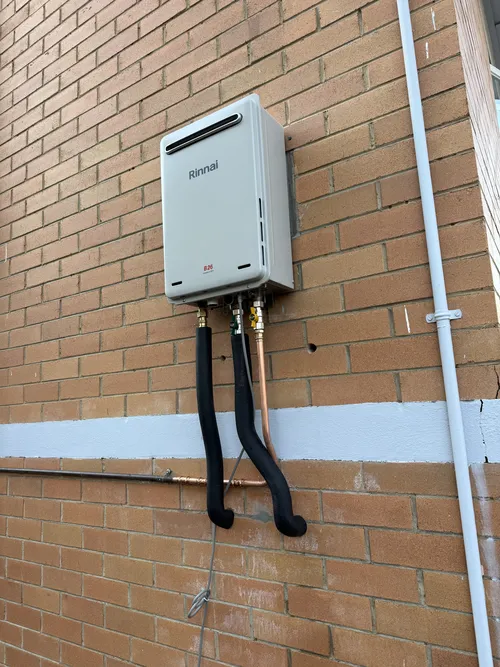
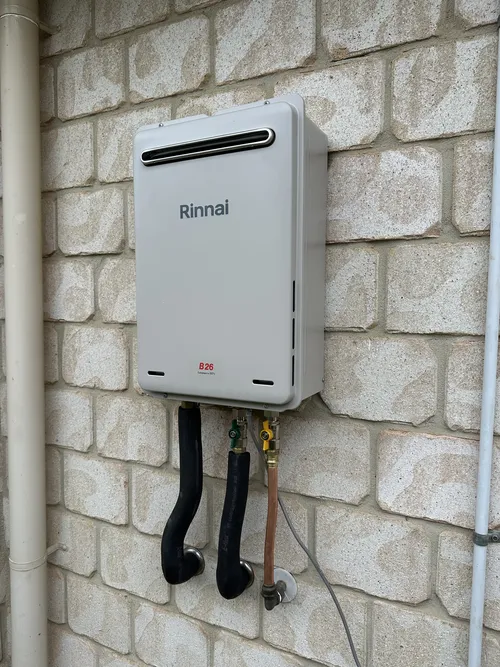
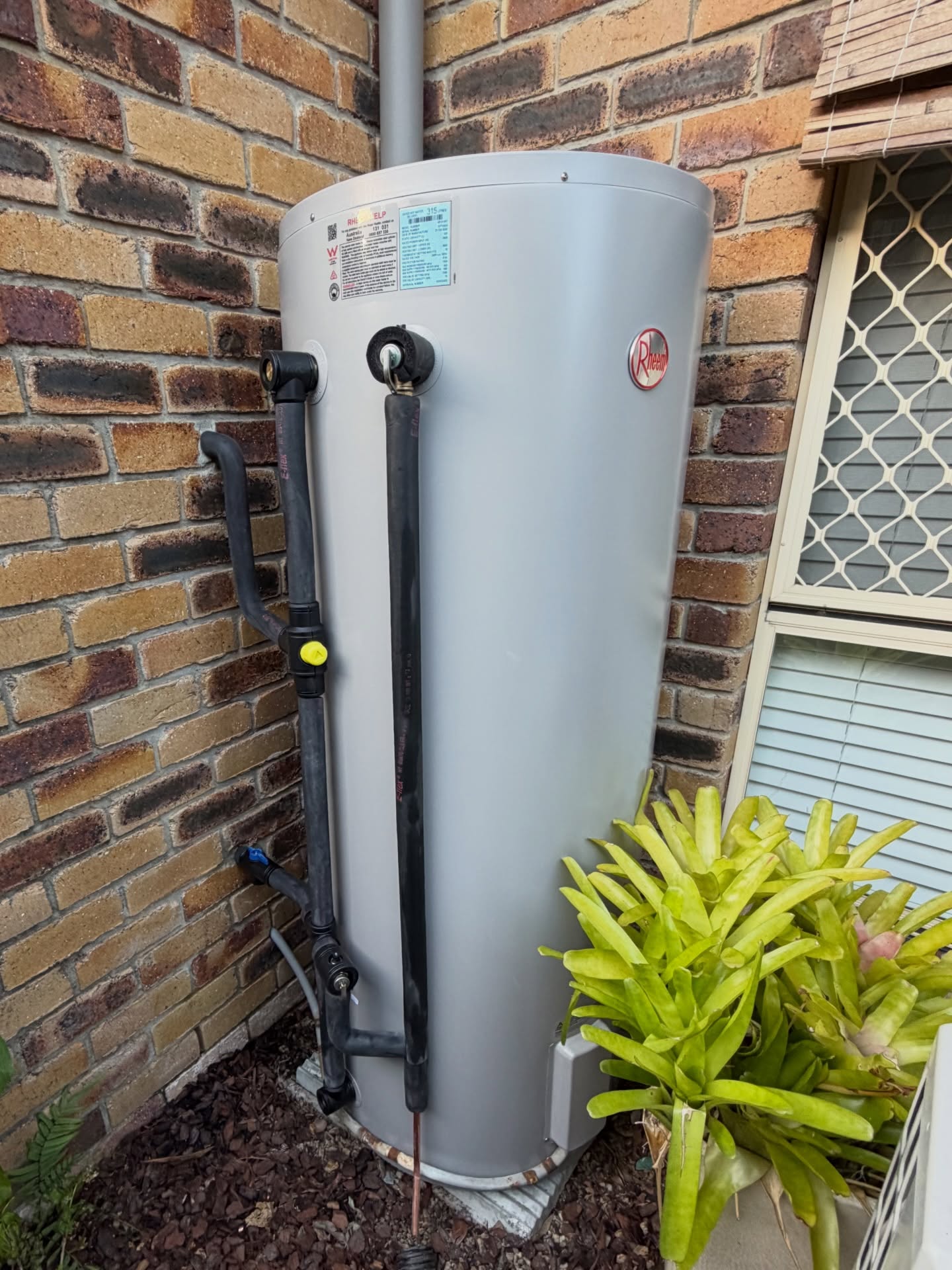
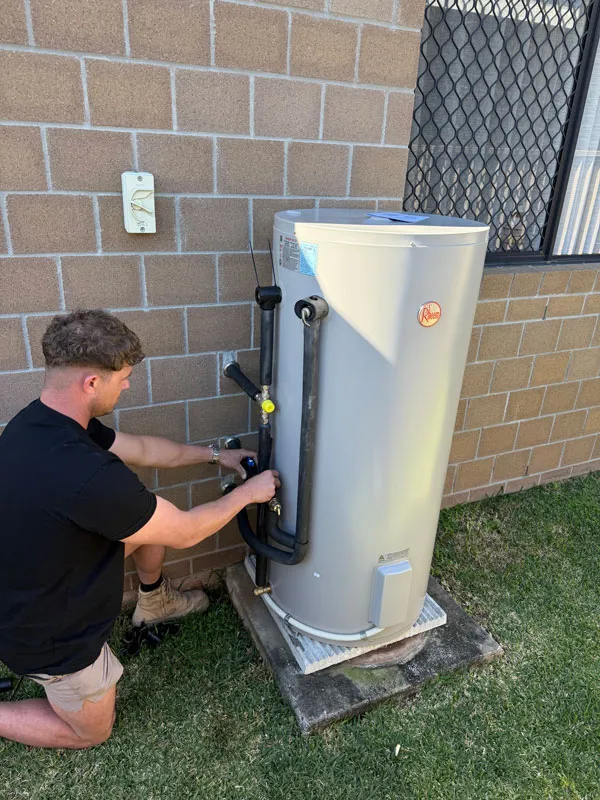
- Step 4: Turn Off Your Hot Water System
- Step 5: Handle Gas Emergencies Differently
- Step 6: Stay Safe Around Electricity and Water
- Document Everything for Your Insurance Claim
- The Most Common Plumbing Emergencies Brisbane Homeowners Face
- What to Tell Your Emergency Plumber When You Call
- Plumbing Emergencies by Suburb: Response Across Brisbane
- How to Prevent Plumbing Emergencies Before They Happen
- Your Brisbane Home Plumbing Emergency Kit
- What Makes a Plumbing Situation an Emergency?
- Call Weekend Plumbing Co for Brisbane Emergency Plumbing
- Frequently Asked Questions
First Things First: Don't Panic
A plumbing emergency in Brisbane can feel overwhelming. Water's gushing, you don't know what to touch, and your mind goes blank. I've shown up to hundreds of emergency callouts across Brisbane Northside and Moreton Bay, and the homes where the damage was worst were almost always ones where nobody knew what to do in those first few minutes. The good news is that a few simple steps taken fast can save you thousands in water damage and stress. Here's exactly what to do when a plumbing emergency hits your Brisbane home.
How to Spot a Plumbing Emergency Before It Gets Worse
Most plumbing emergencies don't happen without warning. There's usually something telling you trouble is on the way, if you know what to look for. Catching these signs early means you can act before a manageable problem turns into a flooded room or a burst pipe inside a wall.
Signs You May Have a Burst or Leaking Pipe
Brisbane homes, particularly older properties in suburbs like Stafford, Nundah, and Wavell Heights, often have copper or galvanised steel pipes that corrode quietly over years before giving way. Watch for these warning signs:
- A sudden drop in water pressure across your taps or shower that you can't explain
- The sound of running water somewhere in your walls or under the floor when all taps are off
- Unexplained damp patches, soft spots, or discolouration appearing on walls, ceilings, or floors
- Your water meter spinning or ticking when you've confirmed every tap and appliance is switched off
- Water pooling in the lawn or yard, especially along the path between your meter and the house
- A water bill that's jumped without any change to your household usage
If your meter is still moving with everything turned off, that's a strong indicator of a hidden leak somewhere in your system. Our team uses electronic water leak detection equipment to locate these without tearing up your floors or walls.
Signs You May Have a Blocked or Failing Drain
A slow drain on its own is a minor problem. But when you start seeing multiple symptoms at once, it often points to a blockage in the main line, which can escalate fast. Look out for:
- Gurgling sounds coming from toilets or floor drains when you run a tap or flush elsewhere in the house
- Multiple fixtures draining slowly at the same time, particularly toilets, showers, and laundry tubs
- Foul sewage odours coming from drains inside the home
- Wastewater backing up through floor drains or the lowest fixtures in the house
- Wet patches appearing in the yard along the path of your sewer line
Signs Your Hot Water System May Be Failing
Hot water systems rarely fail without giving you some advance notice. Keep an eye out for:
- Rumbling, popping, or banging noises from the unit, which often indicate sediment buildup or pressure problems
- Rusty or discoloured water coming from your hot taps
- Water pooling around the base of the system
- The pressure relief valve releasing steam or water repeatedly
- A sudden unexplained jump in your electricity or gas bills
Brisbane's water supply is classified as hard to moderately hard by Seqwater, which draws from river and dam sources with naturally elevated calcium and magnesium levels. When this water is heated, those minerals drop out of solution and build up as scale on heating elements and inside the tank. Over time this reduces efficiency, puts extra load on components, and shortens the system's life. It's one reason why hot water system problems show up more often than homeowners expect here. If you're hearing rumbling or banging from your system, scale buildup is a common cause and worth getting checked before it leads to a full failure.
Step 1: Stop the Water Flow
Your single most important move in any plumbing emergency is stopping water from flowing. Every second water runs freely, it's soaking into floors, walls, and ceilings, and the repair bill grows.
Find Your Isolation Valve First
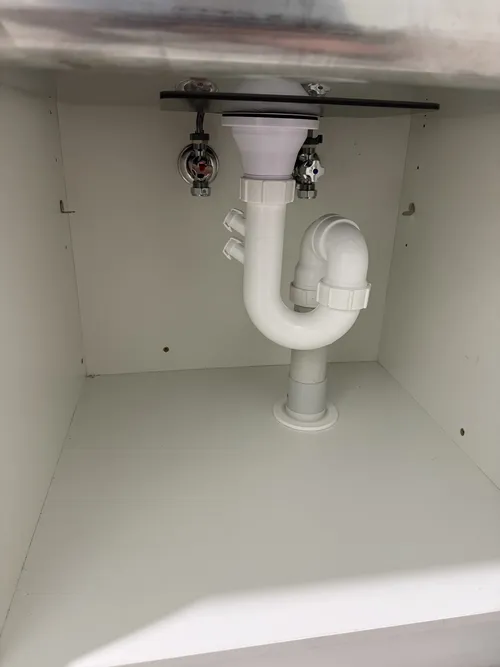
Most fixtures in your Brisbane home have their own isolation valve. This is a small tap or lever located right behind or underneath the affected fixture. For a leaking toilet, it's usually behind the cistern near the floor. For a burst flexi hose under a sink, it's under the cabinet. Turning this off stops water to just that one fixture without cutting water to your whole house.
Isolation valves are your first line of defence in most situations. It's worth testing each one now, before any emergency, by turning them off and checking the tap or fixture stops running. If a valve is stuck or doesn't fully stop the flow, that's a job for a plumber before there's a crisis.
When to Turn Off the Main
If the leak is severe, the isolation valve is broken, or you can't locate it, you need to shut off the main water supply to your whole property. In Brisbane homes, this is usually one of these locations:
- Near the water meter at the front of your property, often under a small rectangular lid in the ground near the footpath
- On the side of the house where the water main enters the building
- Inside a garage or laundry in older Brisbane homes
Here's how to shut it off correctly. First, if water is near any electrical outlets, switch off power to that area at the switchboard before you do anything else. Then locate the valve handle near your meter, which is usually a round wheel or lever style handle. Turn it clockwise until it won't move further. Once it's off, open a tap on the lowest level of your home to confirm the water has stopped and to release any residual pressure sitting in the lines.
If the valve handle is stuck and won't turn by hand, use a shifting spanner but apply steady pressure rather than forcing it hard. A stuck valve that gets broken off creates a bigger problem. If you can't get it to move, step back and call an emergency plumber straight away.
One thing Brisbane homeowners should know: if you have a problem with the water meter itself or the valve is damaged on the street side of the meter, that's Urban Utilities' responsibility. Call Urban Utilities on 13 23 64 for faults on their network. The pipework and valves on your side of the meter are your responsibility to maintain.
Step 2: Drain the Pipes to Relieve Pressure
Once the main water supply is off, water is still sitting in your pipes under pressure. Leaving it there can push water through a damaged section and keep the leak running. Taking two minutes to drain the system down properly reduces this risk and makes it easier for your plumber to work safely when they arrive.
Here's how to drain down your pipes after shutoff:
- Open a tap on the highest level of your home first, then open one on the lowest level. This allows air into the pipes and lets gravity pull the remaining water down and out
- Flush each toilet once after the water is off to empty the cisterns
- If your washing machine or dishwasher was mid-cycle, cancel the cycle and open the machine's filter or drain hose into a bucket to empty it manually
- Leave the taps open while you wait for the plumber. It signals clearly that the system is depressurised
This step also protects your hot water system. Running it dry after shutoff can burn out the heating element on an electric unit or cause the relief valve on a gas system to fire. Getting the residual water moving through the system before everything sits idle gives you a bit of extra protection.
Step 3: Protect Your Home from Further Damage
Once the water is off, do a quick check to limit the damage already done. A few minutes here can save a lot of repair work later.
Here's what to do while you wait for your Brisbane emergency plumber to arrive:
- Mop up or towel down standing water to stop it soaking into floorboards and subfloor
- Move rugs, furniture, and valuables away from wet areas
- Open windows and doors to start drying the space out. Brisbane's humidity means mould can begin developing within 48 hours in a wet room, so getting airflow moving matters
- Take photos and video of everything before you clean up. You'll need this for your insurance claim
- Place towels or buckets under any active drips from the ceiling
Don't ignore ceiling damage. Brisbane has a large number of pre-1970s homes, particularly in inner-north suburbs like Stafford, Wavell Heights, and Kedron, that still have original fibrous plaster ceilings. Unlike modern plasterboard, fibrous plaster absorbs water quickly and loses structural integrity fast. A section that looks like it's only staining can be carrying far more weight than it appears. If you see any bulging, sagging, or bowing in the ceiling, keep everyone out of that room. Don't prod it to test it. A waterlogged fibrous plaster ceiling can come down without much warning and the weight can be significant.
Step 4: Turn Off Your Hot Water System
People forget this one. If you've had a major leak or you've shut off the main water supply, you need to turn off your hot water system too. Running a hot water system without water supply can burn out the heating element in electric systems, or trigger the pressure relief valve in gas systems to fire repeatedly.
For electric hot water systems, go to your switchboard and switch off the circuit breaker labelled "hot water." For gas hot water systems, turn the dial on the unit itself to the "pilot" setting rather than fully off. This keeps the pilot light running without the burner firing. If you're unsure which breaker controls the hot water or can't find the dial on the unit, call us and we'll walk you through it over the phone.
Step 5: Handle Gas Emergencies Differently
If you suspect a gas leak, the rules change completely. Gas emergencies are not the same as water emergencies, and they need a different response.
How to Recognise a Gas Leak
Natural gas supplied to most Brisbane Northside homes is odourless by nature. Gas suppliers add a chemical called ethyl mercaptan to give it a distinctive smell, often described as rotten eggs or cooked cabbage. That smell is your clearest warning sign, but it's not the only one. Also watch for:
- A hissing or rushing sound near a gas appliance, the meter, or buried gas lines in the yard
- Dying or yellowing vegetation in a patch of the yard with no other obvious cause, which can indicate an underground gas line leak
- Dizziness, nausea, or headaches that improve when you go outside. These can be symptoms of gas inhalation
- Unusual pet behaviour. Animals are sensitive to gas and may show signs of distress or lethargy before you notice anything yourself
- A gas bill that has spiked without any increase in your usage
If you notice any of these, treat it as a gas leak until confirmed otherwise.
What to Do If You Smell Gas
If you can smell gas in your Brisbane home, do these things immediately:
- Don't turn any lights, switches, or appliances on or off. Any spark can ignite gas
- Don't use your phone inside the building
- Open all doors and windows as you leave to ventilate the space
- Turn off the gas at the meter on the side of your home. The valve is turned a quarter-turn so the lever sits perpendicular to the pipe. This is the off position
- Get everyone out and move well away from the building
- Call the gas emergency line from outside. For most Brisbane Northside homes supplied by Australian Gas Networks, call 1800 GAS LEAK (1800 427 532), available 24 hours. If your life or property is at immediate risk, call 000
- Call a licensed Brisbane gas fitter once the immediate danger is handled
Don't go back inside until emergency services or a licensed gas professional has cleared the property. No exception.
It's also worth knowing who is responsible for what. Australian Gas Networks is responsible for the gas network and the meter on your property boundary. Any leak between the meter and your appliances inside the house is your responsibility to repair, and that requires a licensed gas fitter. Our team handles gas repairs across Brisbane Northside and Moreton Bay.
Step 6: Stay Safe Around Electricity and Water
Water and electricity are a dangerous combination, and Brisbane homes, particularly older Queenslanders and post-war brick homes, often have electrical wiring running through walls and floors near plumbing. If water has reached near power outlets, switchboards, or any electrical fittings, treat the area as live.
Turn off the electricity at the switchboard for the affected area of the house. In most Brisbane homes, the switchboard is on an external wall or inside the garage. If you're unsure which breaker covers the affected room, turning off the main switch is the safest option. If the switchboard itself is wet or at risk, don't touch it. Call an electrician. I've seen Brisbane homeowners receive serious shocks trying to manage a burst pipe situation near their kitchen or bathroom wiring. It's not worth it.
Document Everything for Your Insurance Claim
Most Australian home insurance policies cover sudden and accidental water damage under what's called "escape of liquid." This typically covers burst pipes, burst flexi hoses, and sudden appliance failures. What it usually does not cover is gradual damage from a slow leak that was ignored over time, or damage caused by poor maintenance. Getting your documentation right from the start of the emergency makes a real difference to whether your claim is approved and how quickly it's settled.
This matters more than ever in Queensland. Data from Suncorp shows that nine of the ten Australian suburbs with the highest natural disaster claims over recent years are in Queensland, and water damage claims have increased significantly across South East Queensland following successive storm seasons. Insurers in this market are experienced at scrutinising claims carefully, so having thorough documentation from the moment you discover the damage puts you in a much stronger position.
What to Photograph and Record
Before you start cleaning up, spend a few minutes capturing the scene. Insurers need evidence of both the source of the problem and the extent of the damage it caused.
Take photos and short video clips of the following:
- The source of the leak or failure, whether that's a split pipe, a burst flexi hose, a failed valve, or visible damage to a fixture
- All affected rooms and areas, walking through them on video to show how far water has spread
- Close-ups of water damage to flooring, walls, ceilings, and built-in cabinetry
- Damaged furniture, appliances, and personal belongings in place before you move them
- The failed part itself if it can be photographed, and set it aside rather than throwing it out. Insurers may ask to inspect it
Write down the time and date you first noticed the problem, what you were doing when you found it, and every action you've taken since. This timeline is important if the insurer questions whether the damage was sudden or gradual.
Contact Your Insurer Before Starting Major Repairs
Call your insurer as soon as the immediate emergency is under control. Queensland insurers have strict time limits on reporting damage, and waiting can lead to delays or a reduced payout. You can start emergency work to stop the damage getting worse, such as shutting off the water and calling a plumber, but hold off on any major restoration or repairs until you've spoken to your insurer. Unapproved repairs can complicate your claim.
Keep all receipts for emergency work, including the plumber's invoice. These costs are often covered under your policy and your insurer will want the documentation.
The Most Common Plumbing Emergencies Brisbane Homeowners Face
Knowing what you're dealing with helps you respond faster. Here are the plumbing emergencies I get called to most often across Brisbane's Northside, Moreton Bay, and surrounding suburbs.
Burst Flexi Hoses
Flexi hoses, the braided stainless steel hoses connecting your taps and toilets to the wall, are the number one cause of indoor flooding in Brisbane homes. They have a lifespan of around 10 years, and when they go, they can dump hundreds of litres into a bathroom or kitchen in minutes. If you come home to a flooded bathroom, a burst flexi hose is the most likely culprit. Our team handles flexi hose replacement across Brisbane regularly. It's a fast fix, but the water damage if you're not home can be significant.
Blocked Drains Causing Overflow
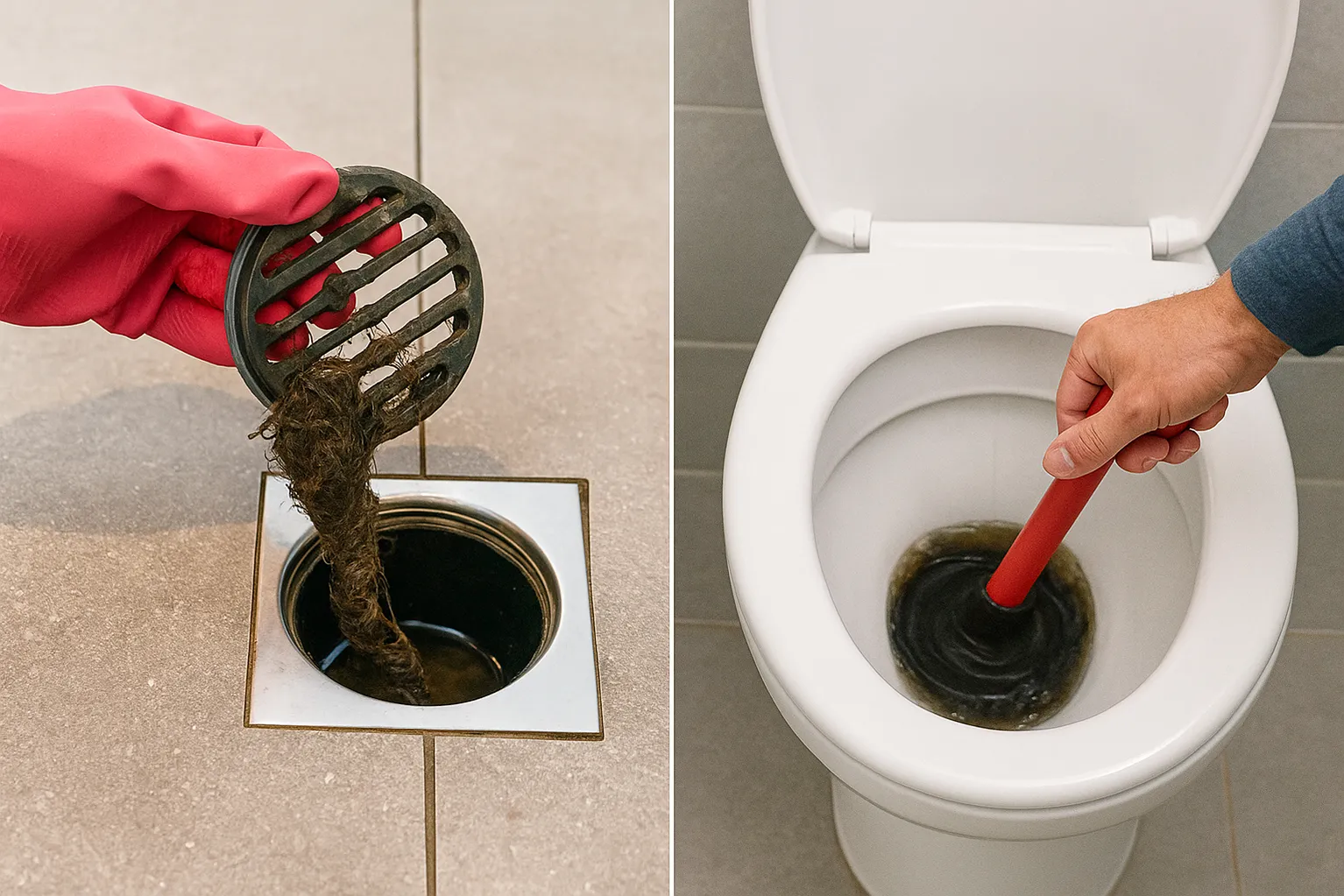
A blocked drain that reaches overflow level is a plumbing emergency, especially when sewage is involved. If your toilet is overflowing with black or grey water, stop using all water in the house immediately. Flushing toilets, running taps, and using the dishwasher all add to the backup. Call an emergency plumber straight away. Do not attempt to unblock a sewage overflow yourself.
Burst Water Pipes
Brisbane homes built before the 1980s often have copper or galvanised steel pipes that corrode and weaken over time. Summer heat and ground movement from our subtropical storms can cause older pipes to give way suddenly. For burst water pipes in walls or under slabs, our team uses water leak detection equipment to find the exact location without tearing up your whole floor.
Hot Water System Failures
A hot water system leaking from the base or relief valve isn't just an inconvenience. It can be a sign of dangerous pressure buildup. If your hot water system is actively leaking water onto the ground or you hear a relief valve hissing and releasing steam repeatedly, turn off the system and call a plumber. Don't ignore it hoping it'll stop. For a comparison of your replacement options, see our guide to gas vs electric hot water systems in Brisbane.
Blocked or Overflowing Toilets
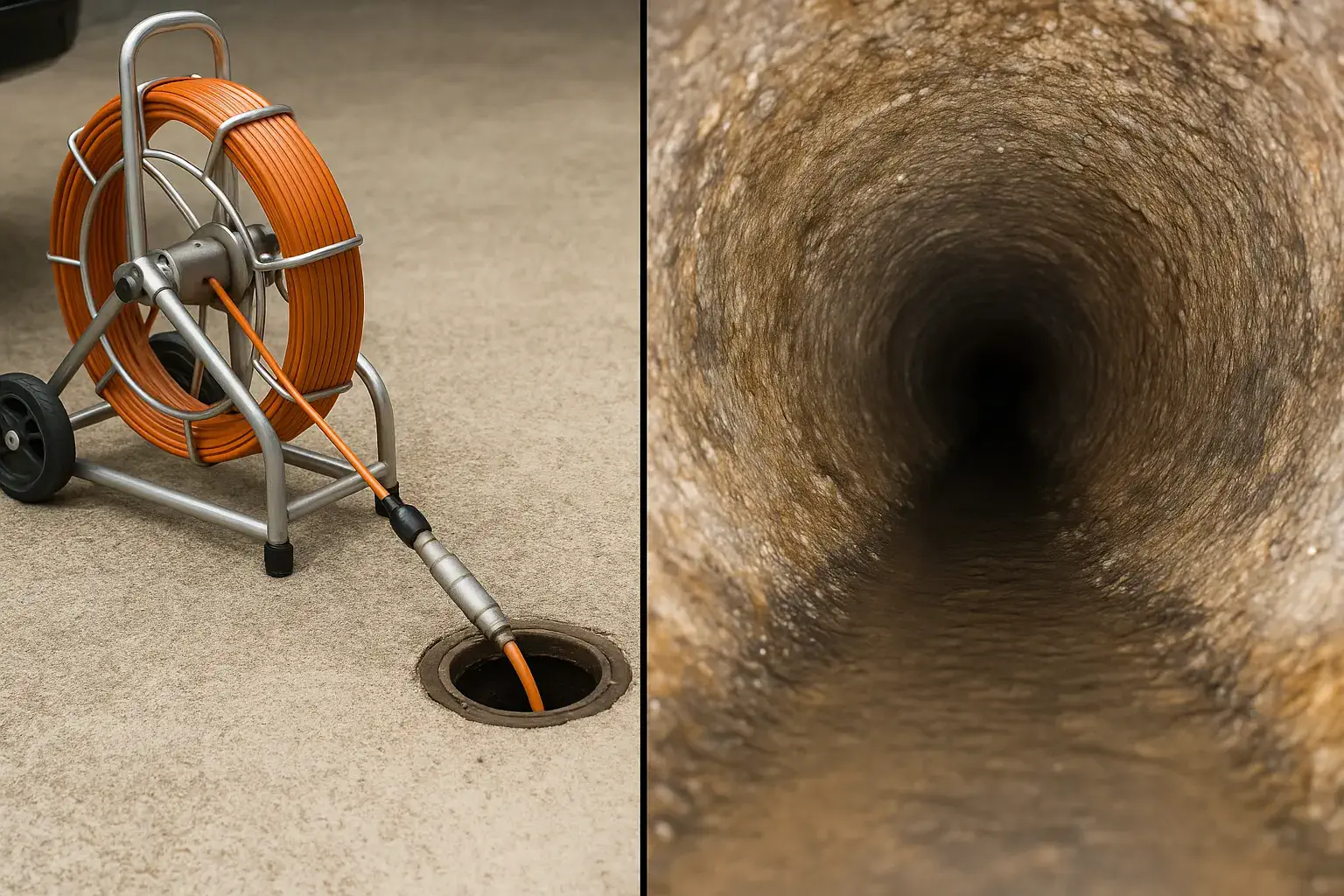
A blocked toilet that won't flush properly is an inconvenience. A toilet that's actively overflowing onto your bathroom floor is an emergency. If plunging doesn't clear it in a few attempts, stop trying. You may be dealing with a blockage deeper in the line that needs a professional to clear with a jet blaster or investigated first with a CCTV drain inspection. If the toilet itself is the issue rather than the drain line, our team also handles toilet repairs across Brisbane.
What to Tell Your Emergency Plumber When You Call
The more information you can give us when you call, the faster we can respond with the right equipment. When you call Weekend Plumbing Co. for an emergency, try to have this ready:
- Your exact address including suburb (Brisbane Northside, Moreton Bay, etc.)
- What's happening, whether that's a burst pipe, blocked drain, gas smell, or flooding
- Whether you've been able to stop the water or not
- Whether there's any electrical or gas involvement
- How long it's been happening
You don't need to have all the answers. Just call and tell us what you see. We'll guide you through anything you need to do before we arrive.
Plumbing Emergencies by Suburb: Response Across Brisbane
We cover emergency plumbing callouts across Brisbane Northside and the Moreton Bay region, including suburbs like Albany Creek, Bridgeman Downs, Chermside, Aspley, Bracken Ridge, Warner, Strathpine, and dozens more. Our vans are stocked for the most common Brisbane emergency plumbing situations so we can fix most jobs in a single visit.
Whether you're dealing with a burst pipe in Everton Park, a blocked sewer in Stafford, or a flooded bathroom in Wavell Heights, we respond to Brisbane plumbing emergencies around the clock. You can find your local area pages here:
- Emergency Plumber Albany Creek
- Emergency Plumber Bridgeman Downs
- Emergency Plumber Chermside
- Emergency Plumber Aspley
- Emergency Plumber Bracken Ridge
- Emergency Plumber Warner
- Emergency Plumber Strathpine
How to Prevent Plumbing Emergencies Before They Happen
The best plumbing emergency is the one that never happens. I'd much rather spend 20 minutes inspecting your flexi hoses than show up at 11pm to a flooded bathroom. Here are the things Brisbane homeowners can do to reduce their risk.
Schedule a plumbing inspection every few years, especially if your Brisbane home is more than 20 years old. Older homes in suburbs like Stafford, Nundah, Zillmere, and Wavell Heights often have ageing pipe systems that haven't been looked at in decades. A quick check can spot problems before they become emergencies.
Other things worth doing now:
- Replace flexi hoses older than 10 years. This is the single most cost-effective preventive plumbing job you can do in a Brisbane home
- Know where your main water shutoff is before an emergency happens
- Test your isolation valves. A valve that seizes up in an emergency is worse than not having one
- Don't ignore slow drains. They're early warning signs of a bigger blockage building up
- Check under your bathroom and kitchen sinks every few months for moisture, staining, or any sign a flexi hose is bulging or corroding
- If your hot water system is over 10 years old, get it inspected
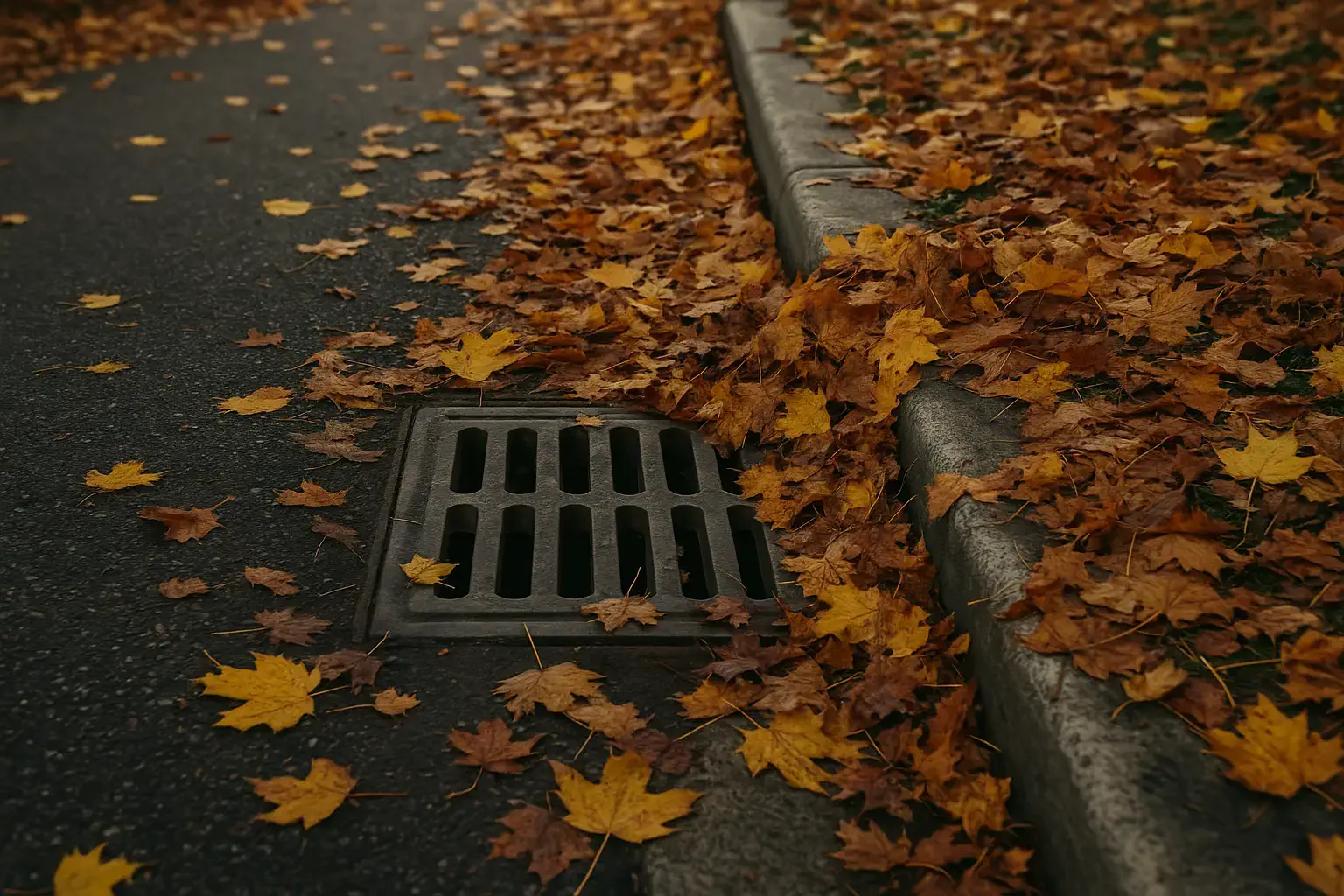
- Clear gutters and downpipes twice a year. Brisbane's storm season puts serious load on drainage systems, and blocked gutters can force water back into roof cavities
Your Brisbane Home Plumbing Emergency Kit
When a pipe bursts at midnight, the last thing you want to be doing is hunting through the garage for a bucket. Having a small kit ready to go means you can act fast in those first critical minutes before the plumber arrives. None of this is expensive, and most of it you probably already own.
Here's what to keep together in one clearly labelled spot, whether that's a shelf in the laundry or a box near your hot water system:
- Adjustable shifting spanner. Useful for turning a stubborn water meter valve if it won't move by hand
- Plumber's tape (PTFE tape). Handy for a temporary wrap around a leaking threaded fitting to slow the flow while you wait for help
- Torch and spare batteries. Meter boxes and under-house spaces are dark, and your phone torch is not ideal when you also need to make calls
- Rubber gloves. For dealing with blocked drain overflows or sewage situations
- Two or three absorbent towels. For containing water fast while you work on shutting off the supply
- A sturdy bucket. For catching active drips or carrying water out of a flooded area
- A printed card with key contacts and valve locations. Write down the location of your main shutoff valve, the Urban Utilities fault line (13 23 64), the Australian Gas Networks emergency number (1800 427 532), and our number. Stick it to the inside of your meter box lid
That last one is more valuable than any physical tool. In a genuine emergency, stress makes it hard to remember things you normally know by heart. Having the numbers and valve location written down and physically accessible, not buried in your phone somewhere, means you or anyone in your household can take the right action fast.
What Makes a Plumbing Situation an Emergency?
Not everything needs a 2am callout. Understanding what genuinely qualifies as a plumbing emergency helps you make the right call, both for your safety and your wallet.
Call an emergency plumber immediately for:
- Any active gas leak or smell of gas
- Burst pipes with uncontrolled water flow
- Sewage overflow inside your home
- Hot water system actively leaking or releasing steam from the relief valve
- Flooding you cannot contain
- Complete loss of water supply to the property
These can wait until business hours:
- A single dripping tap
- Slow-draining sink (unless multiple fixtures are affected)
- Running toilet
- Low water pressure without a known cause
If you're genuinely unsure, call us anyway. We'd rather spend 2 minutes telling you it can wait than have you sit on something that turns serious overnight.
Call Weekend Plumbing Co. for Brisbane Emergency Plumbing
When a plumbing emergency hits your Brisbane home, every minute matters. Shut off the water, stay safe around electricity and gas, limit the damage, and call a licensed Brisbane emergency plumber straight away. Our team is available around the clock, covering Brisbane Northside, Moreton Bay, and surrounding areas with fully stocked vans ready for the most common plumbing emergencies.
Don't wait and hope it fixes itself. Contact Weekend Plumbing Co. and get your Brisbane plumbing emergency sorted fast.
Frequently Asked Questions
How do I turn off the water in a Brisbane plumbing emergency?
Find the isolation valve behind or under the affected fixture and turn it clockwise. If you can't find it or it doesn't work, go to the main water shutoff near your water meter at the front of your property and turn it clockwise to stop all water to the house. Once it's off, open a tap on the lowest level of your home to confirm the water has stopped and drain any residual pressure from the pipes.
Does Weekend Plumbing Co. do 24/7 emergency plumbing in Brisbane?
Yes. We provide emergency plumbing callouts across Brisbane Northside and the Moreton Bay region around the clock, including nights, weekends, and public holidays.
What do I do if I smell gas in my Brisbane home?
Don't touch any switches or appliances. Open windows and doors as you leave, turn off the gas at the meter, get everyone outside, and call Australian Gas Networks on 1800 GAS LEAK (1800 427 532) from outside the building. If there is immediate risk to life, call 000. Then call a licensed gas plumber.
Can I use my taps while I wait for an emergency plumber?
It depends on the situation. If you've isolated the problem to one fixture, other taps are generally fine. If there's a blocked sewer, sewage smell, or you've shut off the main supply, avoid using any water in the house until the plumber arrives.
How quickly can an emergency plumber get to me in Brisbane?
Response times vary depending on your location and time of day. Across our main service areas in Brisbane Northside and Moreton Bay, we aim to get to most emergency callouts within the hour.
What's the difference between an emergency plumbing job and a regular booking?
Emergency plumbing covers situations where water, gas, or sewage is causing active damage or poses a safety risk right now. Regular bookings are for issues that are inconvenient but not immediately dangerous, like a dripping tap or slow drain. Emergency callouts typically carry a higher rate due to after-hours response.
Will my home insurance cover a burst pipe in Brisbane?
Most Australian home insurance policies cover sudden and accidental water damage under "escape of liquid," which includes burst pipes and burst flexi hoses. Gradual damage from a leak that was left unattended over time is typically not covered. Document everything with photos and video before you clean up, call your insurer promptly, and hold off on major repairs until they've been notified. Keep all receipts from emergency plumbing work as these costs are often claimable.