Pipe Relining vs. Pipe Replacement: What's Right For Your Brisbane Home?
Table of Contents
- What Is Pipe Relining?
- What Is Pipe Replacement?
- Pipe Relining vs Pipe Replacement: How They Compare
- How to Know Which One Your Brisbane Home Needs
- Brisbane Homes and Why Pipe Problems Are So Common
- Why CCTV Drain Inspection Comes First
- What About Cost? Relining vs Replacement in Brisbane
- Which Option Lasts Longer?
- Warning Signs Your Brisbane Pipes Need Attention Now
- So Which One Is Better For Your Home?
- Frequently Asked Questions
When your drains start backing up or you keep getting the same blockage back week after week, the big question is usually whether you need pipe relining or pipe replacement. For Brisbane homeowners, getting that decision right matters a lot. Pick the wrong option and you could spend thousands more than you need to, or worse, fix the symptom and leave the real problem sitting underground getting worse.
Pipe relining vs pipe replacement is honestly one of the most common conversations I have with homeowners across Brisbane Northside and Moreton Bay. Both options fix damaged pipes, but they work completely differently and suit very different situations. This guide walks you through what each one involves, how to figure out which your home needs, and what Brisbane-specific factors can push you toward one option or the other.
What Is Pipe Relining?
Pipe relining is a no-dig repair method that fixes damaged pipes from the inside. Instead of digging up your yard to pull out old pipes, a plumber inserts a flexible liner coated in a special resin into the existing pipe. The liner is inflated and cured in place, creating a new pipe surface inside the old one.
The end result is a smooth, seamless pipe sitting inside your original pipe like a sleeve. It seals cracks, fills holes, and blocks off root entry points without any excavation at all. For most Brisbane homeowners, the appeal is obvious: no mess, no destroyed gardens, no cracked driveways.
Here is what the relining process looks like from start to finish:
- A CCTV drain inspection to map the damage and confirm relining is the right option
- High-pressure jet blasting to clean the pipe out completely
- Inserting the resin-saturated liner through an existing access point
- Inflating the liner and leaving it to cure (usually 2 to 4 hours depending on the product)
- A post-job camera check to confirm the repair is clean and solid
Most relining jobs are done in a single day. You can use your drains again the same afternoon in most cases, and there is nothing to clean up or restore afterwards.
What Is Pipe Replacement?
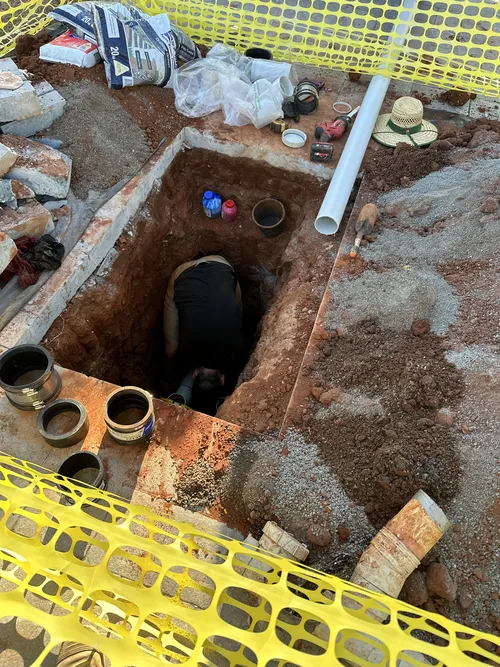
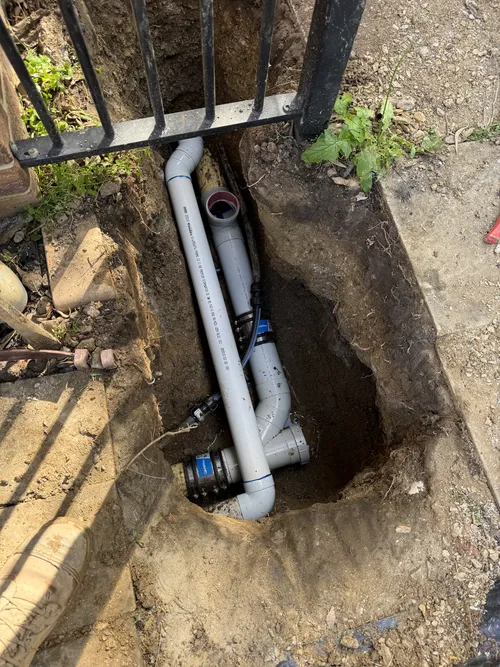
Pipe replacement is the traditional approach. The old damaged pipe is physically removed and a new pipe goes in its place. This means excavating above the pipe, pulling out the damaged section, installing new pipe, and then backfilling and restoring whatever was dug up.
It is more invasive, but it is also sometimes the only option. Depending on where your pipe runs, replacement can mean digging up lawns, garden beds, driveways, or concrete slabs. After the new pipe is in, everything needs to be reinstated, and that adds time and cost to the job.
When pipe replacement is needed, the new material used is almost always PVC. It is smooth, durable, and does not have the clay joints that cause so many problems in older Brisbane homes. Done properly, a replacement job sets you up for decades with no issues.
Pipe Relining vs Pipe Replacement: How They Compare
Before you decide between the two, here is how they stack up on the things that matter most to Brisbane homeowners.
Disruption to Your Property
Relining wins here easily. The liner goes in through an existing access point, so your yard, driveway, and garden stay exactly as they are. Replacement means excavation, which can range from a small trench to a significant dig depending on how deep the pipe is and what is sitting above it.
For homes in suburbs like Ashgrove, Bardon, or Kenmore where established gardens and brick paving are the norm, avoiding excavation can be a big deal in terms of both cost and disruption.
Time on the Job
Most relining jobs wrap up in a day. Replacement jobs can take anywhere from one day for a short section to several days for longer runs or pipes under concrete slabs. If reinstatement is needed after the dig, factor in extra time for that as well.
How Long the Repair Lasts
Quality pipe relining comes with a 50-year manufacturer warranty in most cases. That is as good as or better than many pipe materials on the market. A properly installed PVC replacement pipe will also last decades, so lifespan is similar between the two when both are done correctly.
Resistance to Future Problems
Relined pipes are smooth and completely seamless, which means roots have no joints to enter through. They also resist buildup and scale better than older clay pipes. New PVC replacement pipe has the same benefits. Either way, you are significantly better off than with the original clay or concrete pipe that was causing problems.
How to Know Which One Your Brisbane Home Needs
This is where experience makes the difference. Not every damaged pipe is a candidate for relining, and not every situation calls for the cost and disruption of full replacement. Here is how the decision actually gets made on the job.
When Pipe Relining Is the Right Option
Relining works best when the pipe still has its basic shape and structure. If the pipe has cracks, fractures, root intrusion, or small holes but is still sitting at the right gradient and holding together, it is a strong candidate for relining.
Relining is often the best call when:
- The pipe is cracked or fractured but not collapsed
- Tree roots have entered through joints but the pipe wall is still intact
- The pipe runs under a concrete slab, driveway, or established garden
- Access is limited or difficult for excavation equipment
- You want the job done with minimal disruption to your property
- The damage is isolated to one section rather than spread across the whole system
In my experience working across Brisbane Northside and Moreton Bay, relining is an excellent fit for older clay or terracotta pipes with root damage. These pipes are everywhere in established suburbs like Aspley, Chermside, Albany Creek, and Stafford, where a lot of the housing stock dates back decades and the trees are huge and well-established.
When You Need Full Pipe Replacement
There are situations where relining simply cannot do the job. If the pipe is collapsed, severely misaligned, or has deteriorated to the point where there is nothing solid for the liner to bond to, you need new pipe.
Full replacement is usually the right path when:
- The pipe has collapsed or is severely deformed
- There is significant bellying, where the pipe has sagged and is holding water rather than draining
- The pipe material has broken down to the point where a liner cannot get a proper bond
- Multiple failures are spread along a long run of old pipe
- The pipe needs to be upsized because it is undersized for current usage
- Ground movement has shifted the pipe badly out of alignment
Brisbane's reactive clay soils are a big factor here. The soil shrinks and swells with wet and dry cycles, and over years that movement can cause pipe sections to shift, sag, or pull apart at the joints. When that has happened repeatedly over decades, the pipe structure may not be salvageable.
Brisbane Homes and Why Pipe Problems Are So Common
Brisbane has some specific conditions that put pipes under more pressure than you might see in other cities, and understanding them helps explain why so many homes end up needing either relining or replacement.
The two biggest culprits I see constantly are tree roots and soil movement. Brisbane's subtropical climate means trees grow fast and their root systems spread aggressively in search of moisture. Urban Utilities reports that tree roots are the number one cause of blockages in sewer pipes across South East Queensland. Older suburbs across Brisbane Northside are full of large fig trees, camphor laurels, and native gums sitting within metres of sewer lines. Once roots find a crack or an open joint, they get in and keep growing until the blockage is complete.
Soil movement is the other major issue. Much of Brisbane, particularly across the Northside suburbs and into Moreton Bay, sits on reactive clay. When the ground dries out over summer and then gets soaked after Brisbane's heavy storm season, the clay swells and contracts significantly. Over years, this movement puts stress on every underground pipe, gradually opening joints and cracking pipe walls that were never designed to handle decades of this kind of ground movement.
Homes built before the 1980s are the most commonly affected. The original clay and concrete pipe systems in these properties were well made for their time, but they were not built for the tree roots or the ground movement that Brisbane throws at them over 40 or 50 years.
Why CCTV Drain Inspection Comes First
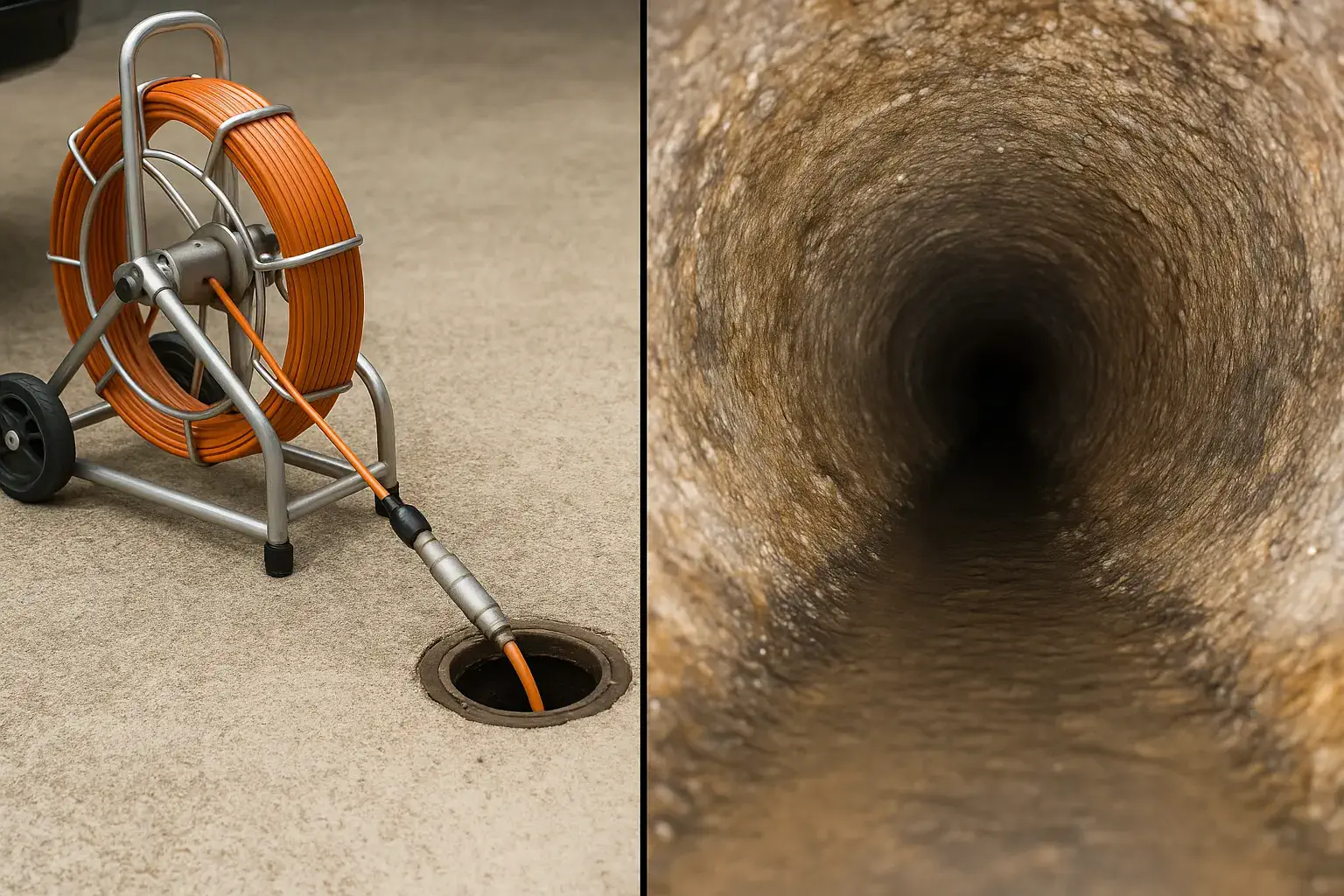
You cannot make a good call between relining and replacement without seeing what is actually happening inside the pipe. A CCTV drain inspection is the only way to get that information, and it should always happen before any recommendation is made.
A camera inspection shows the exact location and nature of the damage, whether the pipe is holding its shape and gradient, how far the damage extends, and whether there are any conditions that would prevent relining from working. Without that information, any quote for either option is a guess.
I have seen homeowners get quoted for relining over the phone without a camera inspection, only to find out on the day that the pipe was actually collapsed and needed full replacement. The inspection would have saved a lot of wasted time and expectation management. At Weekend Plumbing Co., we do not quote on pipe repairs without knowing exactly what we are working with first and as a QBCC licensed plumber, that standard of care is something I take seriously.
Our blog on CCTV drain inspections and hidden leaks goes into more detail on what the camera actually reveals and why it matters for getting the diagnosis right.
What About Cost? Relining vs Replacement in Brisbane
Cost is usually what drives the conversation, and the numbers are not always what homeowners expect going in.
Pipe relining generally costs more per metre than basic pipe replacement on a direct comparison. However, once you factor in excavation, backfill, and reinstatement costs for pipes sitting under concrete, driveways, or established gardens, relining often comes out cheaper overall. The no-dig advantage translates directly into dollars saved on labour and restoration.
The factors that most affect cost for either option include:
- How long the damaged section is
- How deep the pipe sits and how accessible it is
- What is above the pipe (lawn, concrete slab, pavers, established garden)
- The pipe diameter
- How many bends and junctions are in the line
- Whether any associated work is needed, like clearing roots before the job
The most reliable way to understand your actual costs is to get a CCTV inspection done first. Once we know exactly what is going on, we can give you a firm, accurate quote for the right solution rather than a ballpark that changes when the job starts.
Which Option Lasts Longer?
Both options, when done correctly, give you decades of reliable service. Quality relining materials carry a 50-year warranty from the manufacturer. New PVC pipe installed properly should perform just as well over the same period. In my experience, the lifespan difference between the two is rarely what determines the right choice.
The better question is not which material lasts longer in a test environment. It is which option actually addresses the cause of the damage in your specific situation. If tree roots caused the problem and there is a large tree within a few metres of the pipe, relining will seal off all existing entry points. But if that tree continues to grow, it will eventually put pressure on adjacent sections of pipe or find another way in.
Part of a thorough assessment is understanding what caused the damage, not just cataloguing what the damage looks like. That context shapes the advice we give and helps make sure the solution actually holds up long term rather than just kicking the problem down the road a few years.
Warning Signs Your Brisbane Pipes Need Attention Now
Do not wait until a drain is completely blocked before calling someone out. These signs usually mean there is structural damage in the pipe that will not fix itself and will only get worse over time.
Watch for any of the following:
- Slow draining in sinks, showers, or toilets that does not clear up on its own
- Gurgling sounds from drains after water runs, particularly in multiple fixtures at once
- Persistent bad smells from drains that keep returning after cleaning
- Wet patches or unusually lush grass in your yard with no obvious cause
- Recurring blocked drains that come back within weeks of being cleared
- Cracks appearing in pathways or paving near where your pipes run
Recurring blockages are the biggest red flag. If you are calling a plumber to clear the same drain every few months, the issue is almost certainly structural damage rather than a simple buildup. Getting a camera inspection done after the second or third recurring blockage will save you money compared to repeated clearing calls that never address the underlying problem.
So Which One Is Better For Your Home?
The honest answer is that it depends entirely on what is actually happening inside your pipes. Pipe relining is a great solution for Brisbane homes with cracked, fractured, or root-damaged pipes where the structure is still sound. It protects your yard, gets done fast, and carries a strong warranty that gives you confidence in the repair.
Pipe replacement is the right call when the pipe is too far gone for relining to do the job properly. Collapsed sections, severe misalignment, and complete deterioration of the pipe wall all fall into that category, and trying to reline a pipe in that condition will not give you a result that holds up.
What never changes is the starting point: get a CCTV inspection first. It is the only way to make the right decision for your specific pipes, your specific yard, and your specific situation. If you are dealing with blocked or damaged drains anywhere across Brisbane Northside or Moreton Bay, get in touch with Weekend Plumbing Co. We will put a camera down the pipe, show you exactly what is going on, and give you a straight recommendation on the best fix.
Frequently Asked Questions
Can all pipes be relined?
No. Pipe relining works when the existing pipe still has its basic shape and structure. Collapsed pipes, severely misaligned sections, or pipes that have completely deteriorated cannot be relined successfully. A CCTV inspection is the only reliable way to confirm whether a pipe is a good candidate for relining before the job starts.
How long does pipe relining last in Brisbane?
Quality pipe relining materials carry a 50-year manufacturer warranty. In practice, well-installed relining should give you decades of trouble-free performance. Brisbane's clay soils and tree root pressure are not a concern for relined pipes because the new surface is seamless and has no joints for roots to penetrate.
Is pipe relining worth it?
For most Brisbane homeowners with cracked or root-damaged pipes, yes. Pipe relining avoids excavation costs and property restoration, gets done in a day, and delivers a durable result backed by a long warranty. The key is confirming the pipe is suitable for relining first, which is why a CCTV inspection matters before any work starts.
What happens if I leave a cracked pipe alone?
Cracked pipes get worse over time, not better. Roots find the cracks, soil washes in, the structural integrity deteriorates, and what starts as a minor crack can become a collapsed pipe. Recurring blockages, wet patches in the yard, and sewage smells are all signs the problem has been building for a while. Getting it assessed early is always cheaper than waiting.
How much does pipe relining cost in Brisbane?
Pipe relining costs vary depending on pipe length, diameter, access difficulty, and whether any prep work like jet blasting is needed. Because every job is different, the best way to get an accurate cost is to book a CCTV inspection first. A firm quote based on what we actually find is more useful than a ballpark range that could change significantly once the work starts.
How do I know if I need a plumber for my drains?
If you have a drain that keeps blocking, drains that are slow across multiple fixtures, bad smells that keep coming back, or wet patches appearing in your yard, it is time to get a plumber out. These are signs of a structural issue in the pipe rather than a surface blockage, and they do not resolve without a proper inspection and repair.