No Hot Water in Brisbane? 7 Common Causes & How to Fix Them Fast
Woke Up to No Hot Water in Brisbane? You're Not Alone
The quick rundown: The 7 most common causes of no hot water in Brisbane are a pilot light that's gone out, a tripped circuit breaker, a faulty thermostat, sediment build-up in the tank, a worn-out anode rod, a broken heating element, or a system that's reached end of life. Some of these you can fix yourself in minutes. Others need a licensed Brisbane plumber. This guide covers each cause, how to diagnose it, and what to do next.
There's nothing worse than stepping into the shower on a cold Brisbane morning and getting blasted with ice-cold water. No hot water is one of the most common plumbing calls we get across Brisbane, and it happens to just about everyone at some point. The good news? Most of the time, the fix is simpler than you think.
I've been fixing hot water systems across Brisbane's Northside and Moreton Bay for years. And after thousands of call-outs, I can tell you that the same handful of problems come up again and again. So before you panic or start Googling "new hot water system price," let me walk you through the 7 most common reasons you might have no hot water in Brisbane and what you can do about each one.
Some of these you can check yourself in a few minutes. Others will need a licensed Brisbane plumber. Either way, you'll know exactly what's going on and what to do next.
Table of Contents
- Your Pilot Light Has Gone Out (Gas Hot Water Systems)
- A Tripped Circuit Breaker or Blown Fuse (Electric Systems)
- A Faulty Thermostat
- Sediment Build-Up in the Tank
- A Worn-Out Anode Rod
- A Broken Heating Element (Electric Systems)
- Your Hot Water System Has Reached the End of Its Life
- What to Do Right Now If You Have No Hot Water
- How to Prevent No Hot Water Problems in Brisbane
- Why Brisbane Homes Have Unique Hot Water Challenges
- Frequently Asked Questions
1. Your Pilot Light Has Gone Out (Gas Hot Water Systems)
This is the number one reason Brisbane homeowners with gas hot water systems wake up to cold water. The pilot light is a small flame that keeps your system ready to heat water. When it goes out, your system just stops working.
In Brisbane, pilot lights go out more often than you'd expect. Strong winds during storm season, a brief interruption to your gas supply, or even a dirty thermocouple can snuff it out overnight. I've seen this happen dozens of times in homes across Moreton Bay, where properties tend to be more exposed to coastal winds.
Here's what to check:
- Look at the small viewing window on your hot water unit. Can you see a small blue flame? If not, the pilot light is out.
- Check your gas supply. Is your gas stovetop working? If not, the issue might be with your gas supply, not the hot water system itself.
- Try relighting it. Most units have instructions on the front panel. Turn the gas knob to "pilot," hold the ignition button, and wait for the flame to catch.
When to call a plumber: If the pilot light won't stay lit after a few tries, or if you smell gas at any point, stop what you're doing and call a licensed gas plumber in Brisbane straight away. A faulty thermocouple or gas valve needs professional attention.
2. A Tripped Circuit Breaker or Blown Fuse (Electric Systems)
If you have an electric hot water system, this one's dead simple to check. Sometimes the circuit breaker that controls your hot water trips, and the system just quietly stops heating. You won't get an error message or a warning. You'll just run out of hot water.
Brisbane's summer storms are a big cause of this. A power surge or brief outage can trip the breaker without you even knowing it happened. I get a wave of these calls across Brisbane every year between November and March, right when storm season hits hard.
Here's what to do:
- Find your switchboard (usually near your front door or in the garage).
- Look for a switch labelled "hot water" or "HWS." If it's in the off position or sitting in the middle, flip it back on.
- Wait 1-2 hours for the water to heat back up before testing your taps.
Good to know: Many Brisbane homes, especially older ones on the across the Northside, run their electric hot water on an off-peak tariff (Tariff 33 or Economy). This means the system only heats during off-peak hours, usually overnight. So if you reset it at 10am, you might not have hot water until the next morning. Your electrician or energy provider can tell you which tariff you're on.
3. A Faulty Thermostat
The thermostat tells your hot water system when to heat and when to stop. When it breaks, you can end up with water that's lukewarm, scalding hot, or completely cold. It depends on how the thermostat fails.
I've found that thermostats tend to fail more often in Brisbane homes where the hot water unit sits in direct afternoon sun. And with Brisbane summers regularly hitting the high 30s, that's a lot of heat stress on those components over time. Units on the western side of a home cop the worst of it.
Signs your thermostat might be the problem:
- Water temperature keeps changing on its own.
- Water is either way too hot or not hot enough, no matter what you set it to.
- The system seems to run constantly or not at all.
What you can do: Check the temperature dial on your unit. In Queensland, hot water systems should be set to 60°C at the unit to prevent bacteria growth (like Legionella), with a tempering valve bringing it down to 50°C at the tap. If the dial is set correctly but the water temperature is way off, the thermostat likely needs replacing. This is a job for a licensed Brisbane plumber.
4. Sediment Build-Up in the Tank
Over time, minerals and sediment from Brisbane's water supply settle at the bottom of your hot water tank. This build-up creates a layer between the heating element and the water. The result? Your system works harder, takes longer to heat, and eventually can't keep up.
Brisbane's water quality varies quite a bit depending on where you live. Homes in parts of Brisbane Northside and Moreton Bay sometimes see more sediment build-up than properties closer to the city. If your hot water has started to look a bit rusty or has a slight metallic taste, sediment is likely the cause.
Here's what happens with sediment build-up:
- Your hot water runs out faster than it used to.
- You hear popping, cracking, or rumbling noises from the tank.
- The water has a slight discolouration or unusual smell.
- Your energy bills creep up because the system is working overtime.
The fix: Your hot water tank needs a flush. This involves draining the tank, clearing out the sediment, and refilling it. Most manufacturers recommend flushing every 1-2 years, but in my experience with Brisbane homes, doing it annually is a smarter move. A general plumbing maintenance visit can take care of this and extend the life of your system by years.
5. A Worn-Out Anode Rod
Most people have never heard of an anode rod, but it's one of the most hardworking parts in your hot water system. It's a metal rod inside your tank that attracts corrosive elements in the water. Basically, it sacrifices itself so your tank doesn't rust from the inside out.
The problem is, anode rods wear out. Once the rod is fully corroded, the tank itself starts to corrode. And once your tank starts rusting internally, you're looking at a full hot water system replacement rather than a simple repair.
In Brisbane's climate, anode rods tend to wear out a bit faster than what the manufacturers estimate. The combination of warm water temperatures and local water chemistry speeds up the corrosion process. I've pulled anode rods out of Brisbane hot water systems that were completely gone after just 3-4 years.
Warning signs that your anode rod needs replacing:
- Rusty or brown-coloured hot water coming from your taps.
- A rotten egg smell from your hot water (this is hydrogen sulphide gas from the corroded rod).
- Your hot water system is more than 3-4 years old and the rod has never been checked.
My advice: Get your anode rod inspected every 3-4 years. Replacing a $60-$120 rod is a lot cheaper than replacing a $1,500-$3,000 hot water system. This is one of those small maintenance jobs that saves Brisbane homeowners a fortune in the long run.
6. A Broken Heating Element (Electric Systems)
Electric hot water systems use one or two heating elements to warm the water, similar to how a kettle works. These elements burn out over time, and when they do, you get no hot water at all. If your system has two elements and only one fails, you might notice the water is warm but never really hot.
I see heating element failures all the time in Brisbane, especially in older systems. Units that are 8-10 years old are prime candidates. The constant heating and cooling cycle, combined with Brisbane's water mineral content, slowly wears the elements down.
How to tell if your heating element has failed:
- No hot water at all, even though the circuit breaker is on.
- Water is lukewarm but never gets properly hot.
- Your energy bills drop (because the element isn't drawing power anymore).
What to do: This one needs a licensed plumber with electrical qualifications. Replacing a heating element involves working with both electrical connections and pressurised water. It's not a DIY job. The good news is that a new element is relatively cheap, and often far less than a full system replacement.
7. Your Hot Water System Has Reached the End of Its Life
Sometimes there's no single thing wrong with your hot water system. It's just old and worn out. Like any appliance, hot water systems have a lifespan, and once they reach it, problems start stacking up.
Here's a rough guide to how long different systems last in Brisbane conditions:
- Electric storage systems: 8-12 years
- Gas storage systems: 8-12 years
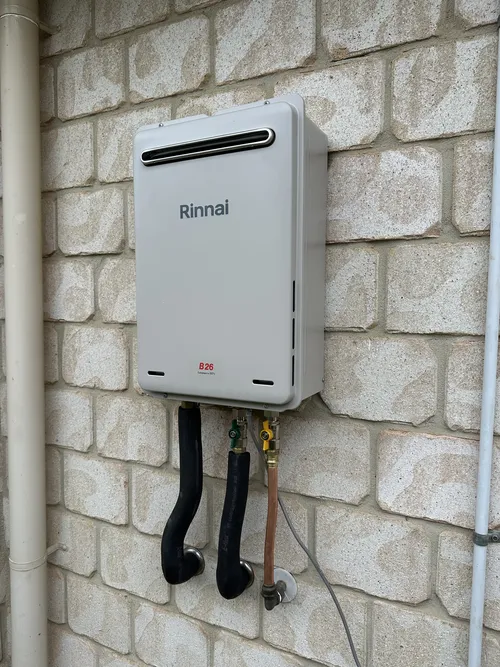
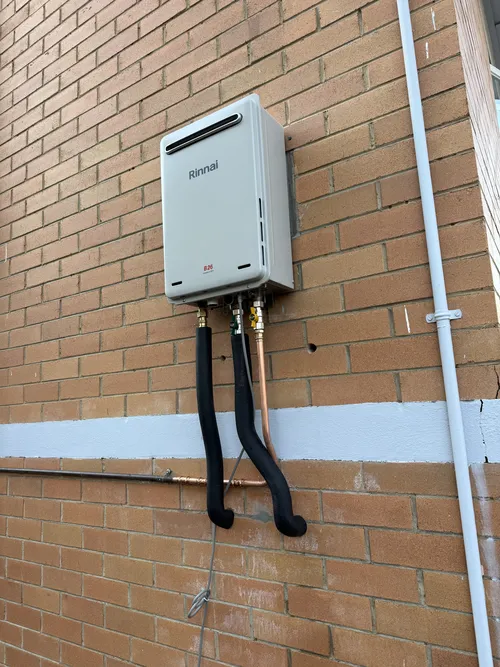
- Gas continuous flow (instantaneous): 15-20 years
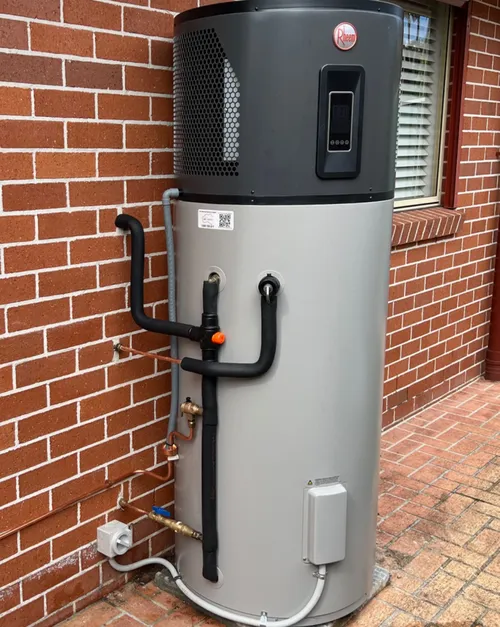
- Heat pump systems: 10-15 years
- Solar hot water systems: 15-20 years (panels may last longer than the tank)
Brisbane's climate actually helps some systems last longer than they would in colder parts of Australia. Less strain from heating in winter means less wear on components. But our humid summers can speed up external corrosion, especially on units that aren't under cover.
When it's time to replace: If your system is near the end of its expected lifespan and you're spending money on repairs every year, replacement is usually the smarter financial choice. A new hot water system installation in Brisbane gives you better energy efficiency, reliable hot water, and peace of mind. Many Brisbane homeowners are now choosing heat pump systems for the energy savings and government rebates available in Queensland.
What to Do Right Now If You Have No Hot Water
If you're reading this because you have no hot water right now, here's a quick checklist to work through before you call anyone:
- Check other hot water taps in the house. Is it just one tap or all of them? If it's one tap, the problem is likely with that tap's mixer or valve, not the hot water system.
- Check your switchboard. Look for a tripped breaker labelled "hot water" or "HWS."
- Check your gas supply (if you have a gas system). Try your gas stovetop to see if gas is flowing.
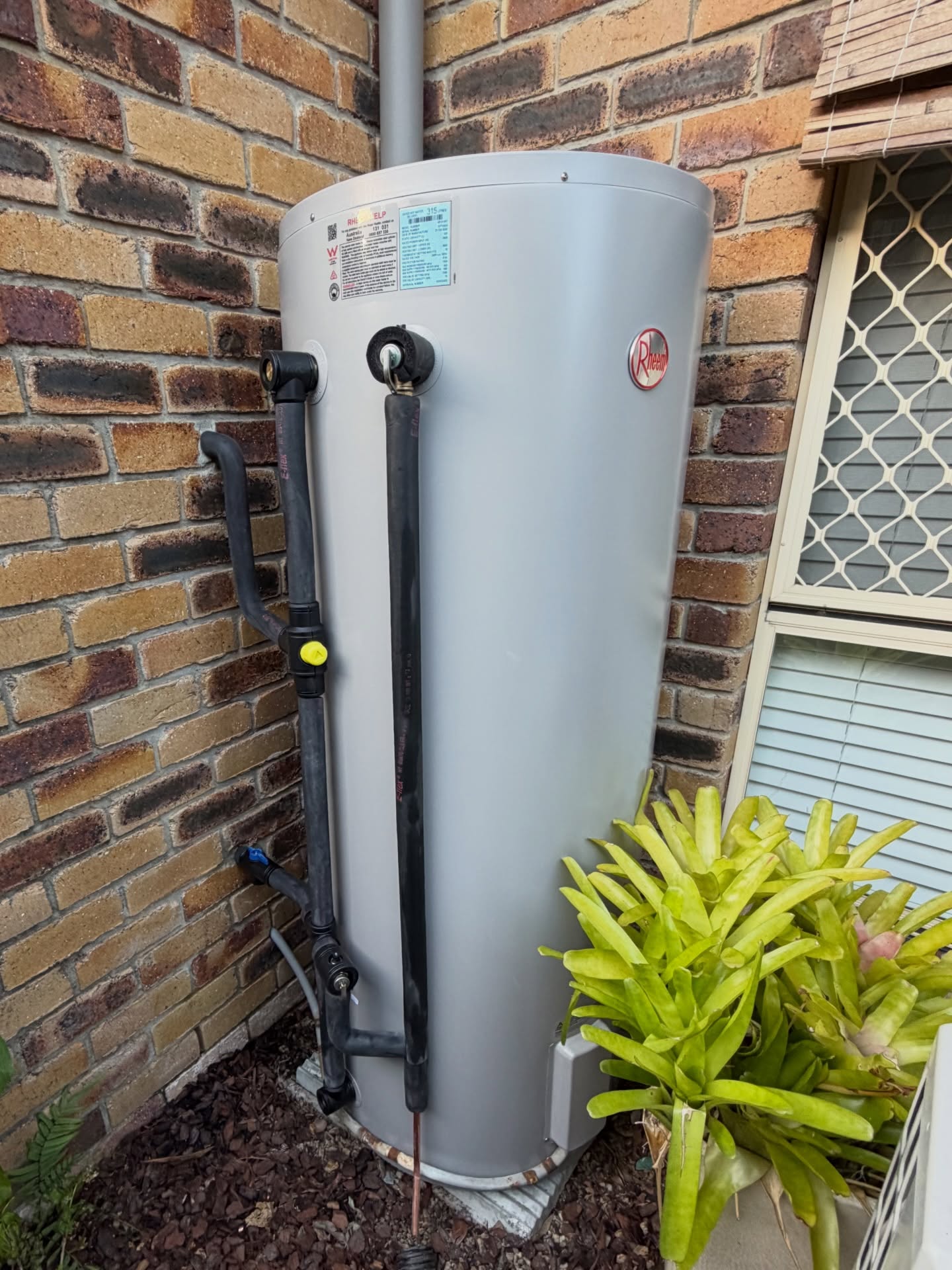
- Look at your hot water unit. Is there water pooling around the base? Any visible damage or leaking? Any unusual noises?
- Check for error codes. Newer systems display fault codes. Write it down if you see one, as it helps your plumber diagnose the issue faster.
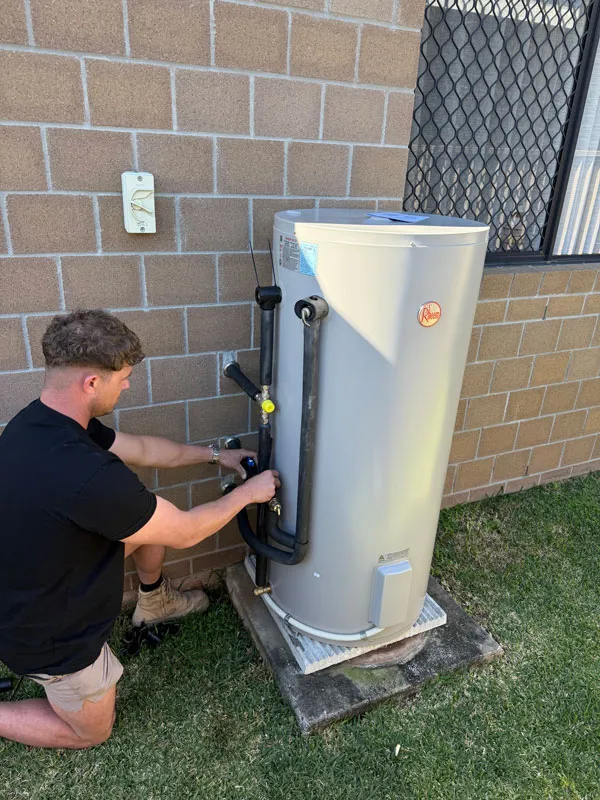
If none of those steps solve the problem, or if you notice a gas smell, leaking water, or electrical issues, it's time to call a professional. A qualified emergency plumber in Brisbane can usually have your hot water back on the same day.
How to Prevent No Hot Water Problems in Brisbane
The best way to deal with hot water problems is to stop them before they start. Here are the maintenance steps I recommend to every Brisbane homeowner:
- Annual tank flush to clear sediment build-up.
- Anode rod inspection every 3-4 years and replacement when needed.
- Check the pressure relief valve every 6 months by lifting the lever briefly. If water flows and stops when you release it, it's working. If it keeps dripping, it needs replacing.
- Keep the area around your unit clear. Good airflow helps gas systems run properly and prevents overheating.
- Book a professional service every 2-3 years for a full system check.
These simple steps can add 3-5 years to the life of your hot water system and help you avoid those nasty cold-shower surprises, especially during Brisbane's cooler months from May through August.
Why Brisbane Homes Have Unique Hot Water Challenges
Brisbane's climate creates some specific hot water issues that you won't hear about from generic advice articles. Our subtropical weather means hot water systems deal with different stresses than those in Melbourne or Sydney.
For one, Brisbane's warm groundwater temperature (usually around 20-25°C in summer) means your system doesn't have to work as hard to heat the water. That's great for energy bills, but it also means bacteria like Legionella can thrive if your system isn't set to the right temperature. That's why maintaining the correct 60°C storage temperature is so important for Brisbane households.
Our high humidity also affects external components. Connections, valves, and fittings on outdoor hot water units in Brisbane corrode faster than in drier climates. I've seen units in low-lying areas around the Brisbane River and Moreton Bay that show serious corrosion within just a few years of installation. If your unit is outdoors and uncovered, keeping an eye on external condition is worth your time.
And then there's storm season. From November through March, Brisbane's storms cause power surges and outages that trip electric hot water systems constantly. If you're on the Brisbane Northside or in the Moreton Bay area, where the power grid can be more affected by storm activity, keeping a torch near your switchboard during summer is practical advice.
No Hot Water in Brisbane? Here's the Bottom Line
Losing your hot water is frustrating, but it's usually fixable. Most of the time, the cause is one of the seven common problems listed above. Some you can troubleshoot yourself in minutes. Others need a licensed professional.
The key is knowing what to check and when to call for help. If you've worked through the quick checklist above and still have no hot water, or if your system is older and giving you repeated trouble, get in touch with our Brisbane plumbing team. We service homes across Brisbane's Northside and Moreton Bay, and we can usually get your hot water sorted the same day.
Don't put up with cold showers. Give us a call and let's get your hot water running again.
Frequently Asked Questions About No Hot Water in Brisbane
How long should I wait for hot water to come back after resetting my system?
For gas systems, you should have hot water within 30-60 minutes after relighting the pilot or resetting the unit. Electric systems take longer, usually 1-2 hours for a full tank to heat. If you're on an off-peak tariff (common in older Brisbane homes), the system may not heat until overnight, so you might need to wait until the next morning.
Why does my hot water run out so quickly in winter?
Brisbane winters bring cooler groundwater temperatures, which means your system needs more energy to heat the same amount of water. You also tend to use hotter water and longer showers when it's cold. If your tank size is borderline for your household, winter is when you'll notice it most. Upgrading to a larger tank or a continuous flow system can fix this.
Is it safe to relight my own pilot light?
Yes, for most standard gas hot water systems, relighting the pilot light is safe and something homeowners can do themselves. Follow the instructions on your unit's label carefully. However, if you smell gas strongly, can't get the pilot to stay lit, or aren't comfortable doing it, call a licensed gas plumber. Safety always comes first.
How much does it cost to fix a hot water system in Brisbane?
It depends on the problem. A simple thermostat or element replacement might cost $150-$350. A new anode rod is usually $100-$200 installed. If the tank has failed and needs full replacement, you're looking at a fair bit more than that depending on the system type and size. Getting a proper diagnosis first saves you money by avoiding unnecessary replacements.
Should I repair or replace my old hot water system?
As a general rule, if your system is under 8 years old, repair makes sense for most issues. If it's over 10 years old and needs a major repair (like a new tank or multiple components), replacement is usually the better investment. Newer systems are more energy-efficient, which means lower running costs that help offset the upfront price over time. We've written a full guide on when to repair vs replace your hot water system if you want more detail.
What's the best type of hot water system for Brisbane homes?
It depends on your household size, budget, and roof situation. We've compared gas vs electric hot water systems for Brisbane in another guide, but here's the short version. Heat pump systems are becoming very popular in Brisbane because they work well in our warm climate and qualify for Queensland government rebates. Gas continuous flow systems are great for larger families who need unlimited hot water. Solar systems work brilliantly with Brisbane's sunshine but need roof space and a suitable orientation. A qualified Brisbane plumber can help you choose the right system for your home.
Need A Hand With Your Hot Water?
If you're still stuck with no hot water or just want a professional to take a look, our local Brisbane plumbing team is happy to help. We work across the Northside and Moreton Bay and most hot water jobs are sorted the same day. Give us a call or get in touch here and we'll get your hot water back up and running.