Should You Repair or Replace Your Hot Water System?
Quick Summary: Repair vs Replace Your Hot Water System
Should you repair or replace your hot water system? Here's the quick answer:
Repair if: Your system is under 7 years old, the repair is straightforward and affordable, you've maintained it well, and the tank is still in good condition (not leaking).
Replace if: Your system is over 9-10 years old, the tank is leaking, you're facing repeated repairs every 6-12 months, energy bills are climbing, or the repair cost approaches half the price of a new system.
Key decision point: If your system is 7-9 years old, get quotes for both repair and replacement. Calculate what you've spent on repairs in the last 2 years. If it's been substantial or another major repair is needed, replacement usually makes better financial sense.
Emergency signs needing immediate help: Active leaking, gas smells, electrical issues, scalding hot water over 70°C, or constant dripping from the pressure relief valve.
Brisbane-specific factors: Our humid climate and mineral-rich water cause faster corrosion and sediment buildup. Systems often fail earlier here than the national average. Queensland government rebates can reduce replacement costs significantly for energy-efficient systems.
Table of Contents
- Why Your Hot Water System Keeps Acting Up
- The Most Common Hot Water System Problems Brisbane Homes Face
- When You Should Repair Your Hot Water System
- When Replacement Is The Smarter Financial Choice
- Understanding The Real Cost Of Your Decision
- Questions To Ask Your Plumber Before Deciding
- Warning Signs That Need Immediate Professional Help
- Your Simple Decision Framework
- Making The Right Choice For Your Brisbane Home
- Frequently Asked Questions
Why Your Hot Water System Keeps Acting Up
There's nothing worse than jumping in the shower on a cold Brisbane morning only to be hit with freezing water. Your hot water system is one of those things you don't think about until it stops working.
Most Brisbane homes rely on hot water every day for showers, dishes, laundry, and cleaning. When problems start popping up, you're faced with a tough choice: should you pay for another repair, or is it time to replace the whole system?
This guide helps you figure out which option makes financial sense and saves you from throwing money at a dying system.
The Most Common Hot Water System Problems Brisbane Homes Face
Some problems are easy fixes, while others are warning signs that your system is on its last legs. Let's look at what typically goes wrong and what each problem means for your wallet.
No Hot Water At All
This is the big one that gets people calling plumbers in a panic. When you turn on the tap and only cold water comes out, several things could be happening.
For electric systems, the heating element might have burned out. This is one of the more common issues. The thermostat could also be faulty or the circuit breaker might have tripped.
Gas systems have their own issues. The pilot light might be out, the gas valve could be closed, or the thermocouple (the safety device that shuts off gas if the pilot goes out) might need replacing.
Solar hot water systems can lose heating when the pump fails or when there's a problem with the panels themselves. Brisbane's intense sun usually keeps these running well, but pump failures do happen.
Not Enough Hot Water
You used to get plenty of hot water for the whole family, but now it runs out halfway through the second shower. This is one of the most frustrating problems because the system still works - just not well enough.
Sediment buildup is usually the culprit here. Brisbane's water contains minerals that settle at the bottom of your tank over time. This sediment takes up space and insulates the water from the heating element, making your system work harder and store less hot water.
A plumber can drain and flush your tank to remove sediment. But if your system is over 8 years old and heavily scaled up, flushing might not help much. The other common cause is a failing heating element that can't maintain temperature properly.
Strange Noises From Your Hot Water System
Popping, banging, rumbling, or hissing sounds coming from your hot water system aren't normal. These noises tell you something's going on inside the tank, and each sound means something different.
Popping and rumbling usually mean sediment buildup. As water heats up under the sediment layer, it creates steam bubbles that pop and bang as they escape. While this sounds alarming, it's often fixable with a good flush.
Hissing or sizzling sounds are more concerning. This can indicate water dripping onto hot components, which means you might have a leak developing. If you hear this, get a plumber out quickly before a small leak becomes a big flood.
Water Leaking From The Tank Or Pipes
Any water pooling around your hot water system needs immediate attention. Even small leaks can cause major damage to your home, especially if the system is installed inside or in your roof space.
Leaks from pipes and connections are usually straightforward repairs. A plumber can replace faulty valves, tighten connections, or swap out corroded pipes.
Leaks from the tank itself are a different story. If water is seeping or dripping from the tank body, it means the inner tank has corroded through. There's no fixing this - the entire system needs replacement. Tank corrosion happens when the sacrificial anode rod wears out completely.
Brisbane's humid climate speeds up corrosion, especially for systems in poorly ventilated areas. I've seen tanks fail at 7-8 years when they should last 10-12.
Rusty Or Discolored Hot Water
When rusty, brown, or murky water comes out of your hot water taps, it's a sign of internal corrosion. This usually means your anode rod has completely dissolved and rust has started forming inside the tank.
You can replace the anode rod, which might buy you a few more years. But if you're already seeing rusty water, there's likely already some tank damage. The rust you see is coming from somewhere, and it's probably the tank walls.
Fluctuating Water Temperature
One minute the water is scalding hot, the next it's barely warm. This rollercoaster temperature is annoying and can be dangerous, especially if you have kids or elderly family members.
A faulty thermostat is usually to blame. But if you've already replaced the thermostat once and the problem returns, it might indicate a deeper electrical issue or a failing heating element. For gas systems, temperature swings often point to a dirty burner or gas pressure problems.
Bad Smells From Hot Water
If your hot water smells like rotten eggs, bacteria has built up inside your tank. This happens when sulfate-reducing bacteria react with the anode rod, creating hydrogen sulfide gas.
The fix involves replacing the standard magnesium anode rod with an aluminum or powered anode rod, plus treating the tank to kill the bacteria. The smell is more common in Brisbane homes with tank water or areas with high sulfate content in the water supply.
When You Should Repair Your Hot Water System
Repairs make good sense in specific situations. You don't always need to jump straight to replacement. Here's when fixing your system is the smart financial choice.
Your System Is Still Young
If your hot water system is under 5 years old and has a problem, repair is almost always the right choice. Modern systems should easily last 8-12 years with proper maintenance, so a young system with issues just needs a fix.
The exception is if you have a manufacturing defect or major installation problem. These are rare, but they do happen. Most defects show up within the first year and should be covered by warranty.
It's A Simple Fix
Some problems are genuinely quick and straightforward to repair. Things like replacing a valve, fixing a loose connection, replacing a thermostat, or relighting a pilot light are all reasonable repairs that give you good value.
If a plumber can solve your issue without major parts or extensive labor, and your system is otherwise running fine, go ahead with the repair.
You've Maintained The System Well
Systems that get regular maintenance last longer and have fewer problems. If you've had your system serviced every few years, flushed regularly, and replaced the anode rod when needed, your system can keep running reliably even at 8-10 years old.
A well-maintained 9-year-old system is worth repairing. A neglected 7-year-old system might not be.
The Tank Itself Is Still Sound
As long as the tank isn't corroded or leaking, most other problems can be fixed. The tank is the heart of your system. Everything else - elements, thermostats, valves, anodes - can be replaced relatively easily.
If your tank is solid and your system is under 8 years old, repair makes sense for just about any problem except maybe a major component failure on an already expensive system.
When Replacement Is The Smarter Financial Choice
Sometimes spending money on repairs is throwing good money after bad. Here's when you should seriously consider replacement instead of trying to squeeze more life out of an aging system.
Your System Is Over 10 Years Old
The average hot water system lasts 8-12 years. Once you hit that 10-year mark, you're living on borrowed time. Even if the current problem seems minor, more issues are likely right around the corner.
In Brisbane's climate, systems often wear out faster than the national average because of our humidity and water quality. I've seen plenty of systems fail at 8-9 years that should have lasted 12. If your system is over 10 years old and needs any significant repair, replacement gives you better long-term value.
You're Facing Repeat Repairs
When you find yourself calling a plumber every 6-12 months for different problems, your system is telling you it's worn out. Each component failure is a symptom of overall system aging.
Calculate what you've spent on repairs in the last two years. If it's been substantial, you'd probably have been better off replacing. Use this information to make a smarter choice now rather than continuing the repair cycle.
The Tank Is Leaking
This one's simple: if the tank itself is leaking, you need a new system. Period. There's no repair for a corroded tank. Anyone who tells you otherwise is either confused or trying to sell you a temporary patch that won't last.
Tank leaks start small but get worse quickly. The hole in the tank will grow as water pressure pushes through the corroded metal. What's a slow drip today could be a flood tomorrow.
Your Energy Bills Keep Climbing
Old hot water systems become less efficient over time. Sediment buildup, worn heating elements, and poor insulation all make your system work harder to heat water.
If your electricity or gas bills have gone up noticeably and nothing else has changed, your hot water system might be the culprit. Compare your current bills to what you paid 2-3 years ago. A new, efficient system can save you hundreds per year on energy costs, helping offset the replacement cost pretty quickly.
You Need Major Component Replacement
Some repairs are so expensive that they push up against replacement costs. If you need a new heat pump, new solar panels, or a complete gas burner assembly, get quotes for both repair and replacement.
When a major component fails on an older system, replacement often makes more financial sense than investing heavily in repairs that still leave you with an aging system.
Your Household Needs Have Changed
Adding a bathroom, increasing your family size, or installing new high-flow fixtures might mean your current system can't keep up anymore. If you're already dealing with hot water problems and your needs are increasing, replacement makes more sense than trying to squeeze more performance from an aging system.
Understanding The Real Cost Of Your Decision
Let's look at the numbers so you can make an informed decision for your Brisbane home. This is where many people get caught out - they focus on today's repair cost without thinking about what comes next.
What New Systems Actually Cost
Replacement costs vary widely based on the type of system you choose. Here's what you need to know about each option:
- Electric storage systems: Most affordable upfront, available in sizes from 125L for couples up to 315L for larger families
- Gas systems: Higher installation cost but often cheaper to run long-term
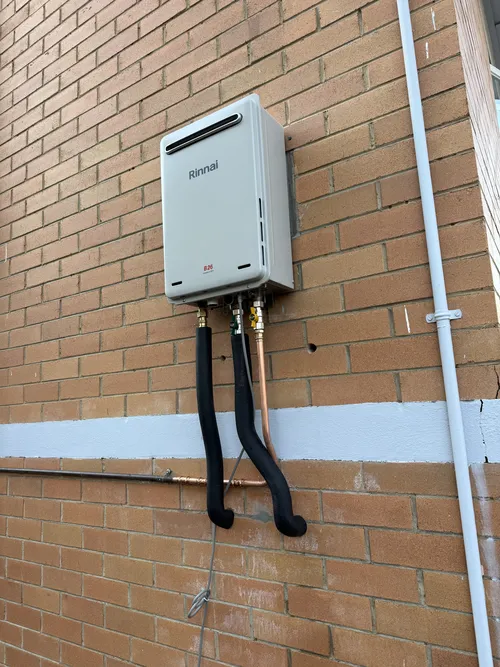
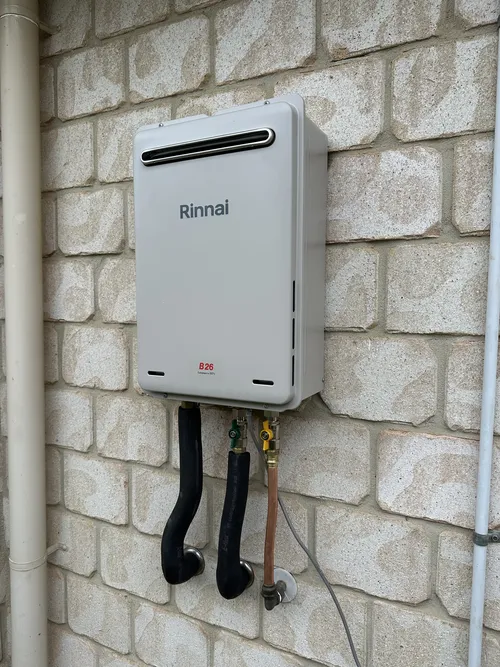
- Gas continuous flow: Provides endless hot water but requires bigger upfront investment
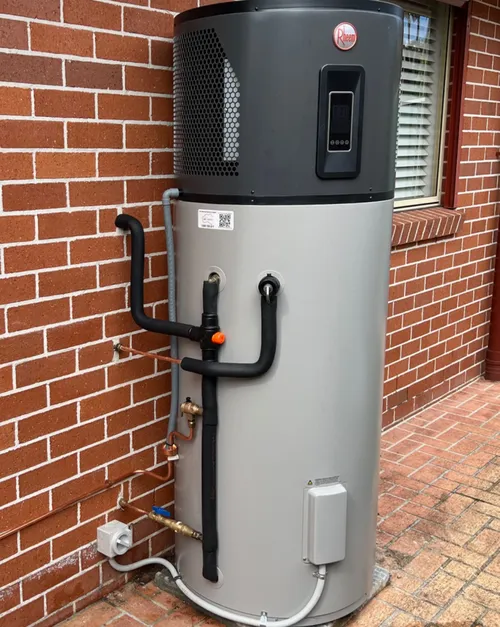
- Heat pumps: Best long-term energy savings and work great in Brisbane's warm climate
- Solar hot water: Highest initial cost but maximum long-term savings, perfect for Brisbane's sunny weather
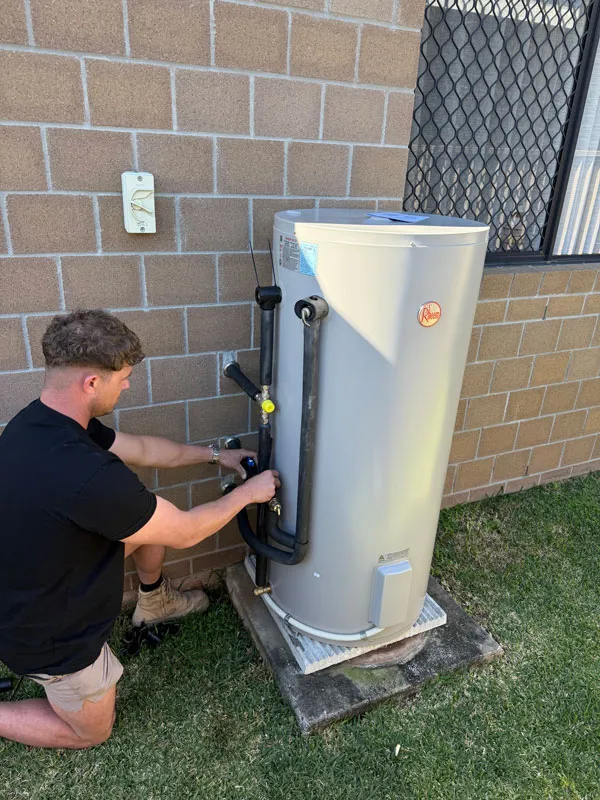
Installation includes removing your old system, installing the new one, and all required compliance work. Prices vary based on your location, site access, and whether any upgrades to pipes or electrical work are needed.
The Five-Year Reality Check
Here's how to think about repair versus replacement over time. Let's say you have a 9-year-old electric storage system that needs a repair today.
Over the next five years with the old system, you'll likely face the initial repair, then a thermostat failure within a year or two, then another component failure, then maybe a valve replacement, and finally the tank leaks and you're forced to replace it anyway. By then, you've spent money on multiple repairs plus the eventual replacement.
Compare that to replacing the system now. You get a new system with warranty coverage for the full five years. You avoid multiple repairs and service calls. Plus, that new system will last another 8-12 years after those five years, while the old repaired system would have needed replacement regardless.
Queensland Government Rebates Can Make Replacement More Affordable
Queensland offers rebates for energy-efficient hot water systems that can significantly reduce your replacement costs. These incentives only apply to new installations, not repairs, which means replacement can actually cost less out-of-pocket than you think.
Current rebate options include:
- Up to $1,000 for solar hot water systems
- Rebates for heat pump installations
- Interest-free loans for energy-efficient upgrades
Check the Queensland Government's energy rebate programs before making your decision. Your plumber should know about current offerings and help you access them.
Questions To Ask Your Plumber Before Deciding
A good plumber gives you honest advice about whether repair or replacement makes more sense. Don't let anyone pressure you into a decision on the spot. Here's what you need to know during their inspection.
Get A Full System Assessment
Ask your plumber to check the entire system, not just the immediate problem. You want to know about the condition of the tank, the anode rod status, sediment levels, and the state of all major components.
A detailed assessment helps you understand whether you're dealing with one isolated problem or a system that's wearing out overall. This information is what you need to make a smart decision.
Request Both Repair And Replacement Quotes
Ask for written quotes for both options. A repair quote should include the specific work needed and estimated lifespan of the repair. A replacement quote should include system removal, new installation, and any additional work required.
Having both numbers in front of you makes the comparison clear. Take time to think it through rather than making a rushed decision.
Understand Warranty Coverage
Ask what warranty coverage applies to both repair work and new installations. Reputable Brisbane plumbers offer warranties on their workmanship, and new systems come with manufacturer warranties of 5-10 years depending on the type.
If you repair your current system, there's typically no warranty on the old tank itself - only on the specific component replaced. This leaves you exposed if something else fails in a few months.
Ask About Future Problems
A good plumber will be straight with you about likelihood of future issues. Ask directly: "If I repair this now, what's likely to go wrong in the next 12-24 months?"
An experienced plumber who works in Brisbane regularly can give you an honest assessment based on the age, condition, and type of your system. This insight is valuable for making the right long-term decision.
Warning Signs That Need Immediate Professional Help
Some hot water problems need immediate professional attention. Don't wait if you notice any of these red flags:
- Active water leaking from any part of the system
- Water pooling around the unit or dripping through your ceiling
- Hissing, popping, or banging noises that suddenly started
- Temperature and pressure relief valve constantly dripping
- Gas smell near a gas hot water system
- Electrical sparking or burning smells near an electric system
- Water temperature exceeding 70°C (scalding hot)
- Rust-colored water with metallic smell
These situations can lead to property damage, scalding injuries, or gas leaks. Call a licensed plumber immediately rather than trying to diagnose or fix these problems yourself.
Your Simple Decision Framework
Here's a quick way to decide what makes sense for your situation. Use your system's age as the starting point, then consider the specific circumstances.
Systems Under 7 Years Old
Repair almost always makes sense unless you're dealing with a manufacturing defect or major installation problem. These systems should have plenty of life left, so fixing the current issue is the smart financial choice.
Systems Over 9 Years Old
Replacement usually makes more sense, especially if you're facing an expensive repair or if the tank itself is leaking. The system is near the end of its expected life, and money spent on repairs often just delays the inevitable.
Systems Between 7-9 Years Old
This is the grey area where you need to look at the full picture:
- How well has the system been maintained?
- How many repairs has it needed in the last 2 years?
- What's the condition of the tank and major components?
- What will this repair cost compared to replacement?
- Have your household needs changed?
Get quotes for both options and make your decision based on the total picture, not just today's problem.
Making The Right Choice For Your Brisbane Home
Talk to a licensed Brisbane plumber you trust. Get honest advice based on a thorough inspection. Don't be rushed into a decision, but also don't keep throwing money at an old system that's ready for retirement.
Brisbane's climate is tough on hot water systems, so staying ahead of problems rather than constantly reacting to them makes life easier. If you're dealing with hot water problems and need honest advice about repair versus replacement, our Brisbane plumbing team can assess your system and give you straight answers. Get in touch today and let's solve your hot water issues for good.
Frequently Asked Questions
How long do hot water systems actually last in Brisbane's climate?
Most hot water systems last 8-12 years in Brisbane, but our humid subtropical climate and mineral-rich water often reduce this. Electric storage systems typically last 8-10 years here, gas systems 10-12 years, and solar or heat pump systems can reach 10-15 years with proper maintenance. Brisbane's humidity accelerates corrosion, especially for systems in poorly ventilated spaces or roof cavities. If your system is approaching 10 years old, start planning for replacement even if it's still working.
Is it worth repairing a hot water system that's 10 years old?
Generally no, unless the repair is very minor (under $200-300) and the tank itself shows no signs of corrosion or leaks. At 10 years old, your system has reached its expected lifespan for Brisbane conditions. Even if you fix today's problem, another component will likely fail within 6-12 months. If the repair costs more than half the price of a new system, replacement gives you better value, a full warranty, and improved energy efficiency that can save $200-400 annually on your bills.
What are the warning signs that my hot water system is about to fail completely?
Watch for these red flags: rusty or discolored water from hot taps, water pooling around the base of the unit, loud banging or popping noises that weren't there before, the system running out of hot water much faster than usual, visible rust or corrosion on the tank exterior, or the pressure relief valve constantly dripping. If you see any of these signs combined with a system over 8 years old, it's likely on its last legs. Tank leaks and rusty water are the most serious warnings that replacement is imminent.
Can I install a hot water system myself in Brisbane to save money?
No. In Queensland, only licensed plumbers can legally install or replace hot water systems. DIY installation is illegal under state plumbing regulations and extremely dangerous. It can cause water damage, gas leaks, electrical hazards, carbon monoxide poisoning, and will void your home insurance if something goes wrong. Professional installation also includes compliance certificates, proper venting for gas systems, tempering valve installation, and ensuring the system meets current Australian Standards. The money you save isn't worth the legal and safety risks.
What rebates are available for hot water system replacement in Brisbane right now?
Queensland homeowners can access several rebates for energy-efficient hot water systems. The current Solar Hot Water Rebate offers up to $1,000 for solar hot water installations. Heat pump systems may qualify for various energy efficiency rebates. Low-income households can access interest-free loans through the Queensland Government's Affordable Energy Plan. Rebate amounts and eligibility change regularly, so check the Queensland Government energy website or ask your plumber about current programs when getting quotes. These rebates only apply to new installations, not repairs.
Which type of hot water system works best for Brisbane homes?
Heat pumps and gas continuous flow systems are most reliable for Brisbane conditions. Heat pumps are incredibly efficient in our warm climate and can save 60-70% on hot water energy costs compared to electric storage. Gas continuous flow systems handle Brisbane's hard water well, provide endless hot water, and are less affected by humidity-related corrosion. Solar systems are excellent here due to abundant sunshine but need electric or gas boost for cloudy days. Avoid cheap electric storage systems if you can - they have the shortest lifespan in Brisbane's climate and the highest running costs.
How quickly can a plumber replace a hot water system in Brisbane?
Most hot water system replacements take 3-6 hours from start to finish, depending on system type and installation complexity. A straightforward like-for-like electric storage replacement is fastest (3-4 hours). Gas systems take 4-5 hours due to gas line work and compliance checks. Heat pumps and solar systems can take 5-6 hours or require a return visit for final connections. Emergency replacements can often be done same-day in Brisbane metro areas, though you might be without hot water for a few hours during installation. Outer areas like Logan or Redland Bay may have slightly longer wait times for parts or tradesperson availability.
What's the biggest mistake Brisbane homeowners make with hot water systems?
The biggest mistake is ignoring maintenance and then spending hundreds on repairs for old systems instead of replacing them. Brisbane's water quality means you should flush your system and check the anode rod every 2-3 years, but most people never do this until problems start. By then, sediment has built up and the tank is already corroding. The second mistake is fixing one component on a 9-10 year old system, then another component six months later, and another after that - spending $800-1,200 on repairs over two years when a new system would have cost $1,500-2,000 and lasted another decade.