Gas vs Electric Hot Water Systems In Brisbane
Table of Contents
- Gas vs Electric Hot Water Systems - Which One's Right for Your Brisbane Home?
- How Electric Hot Water Systems Work
- Cost Comparison: Gas vs Electric Hot Water Systems
- Energy Efficiency: Which System Uses Less Energy?
- Which Hot Water System is Best for Your Brisbane Home?
- Installation Considerations for Brisbane Homes
- Lifespan and Maintenance Requirements
- Common Problems with Gas and Electric Systems
- Environmental Impact: Gas vs Electric
- Making the Switch: Replacing Your Current System
- Government Rebates and Incentives
- Frequently Asked Questions
Gas vs Electric Hot Water Systems - Which One's Right for Your Brisbane Home?
Choosing between gas and electric hot water systems is one of the biggest decisions Brisbane homeowners face. I've installed hundreds of both types across Brisbane suburbs, and the answer isn't always straightforward. Your hot water system is something you use every single day, so getting this choice right matters. In my experience with Brisbane homes, the right system depends on your household size, energy costs, existing connections, and how long you plan to stay in your property. Let me break down everything you need to know about gas vs electric hot water systems so you can make the best choice for your family.
How Gas Hot Water Systems Work
Gas hot water systems use natural gas or LPG to heat water. Think of it like a giant kettle with a gas flame underneath. When you turn on your hot tap, cold water flows into the system, passes over a heat exchanger warmed by the gas burner, and comes out hot at your tap.
There are two main types of gas systems I install in Brisbane homes:
- Gas storage tanks: These keep a large tank of water hot and ready to use, just like electric systems but heated with gas instead
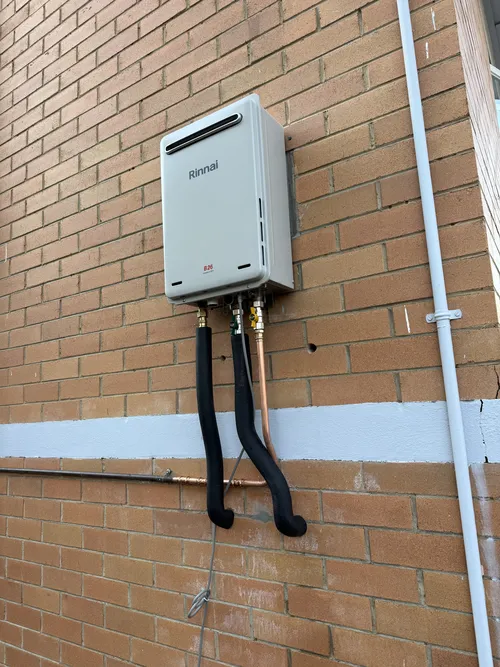
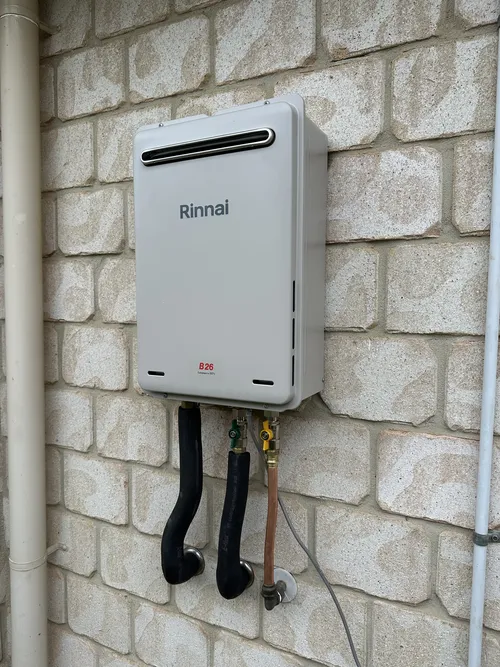
- Continuous flow (instantaneous): These heat water on demand as it flows through the unit, so you never run out of hot water
The continuous flow systems are popular in newer Brisbane homes because they're compact and energy-efficient. I've installed them in tight spaces where a storage tank just won't fit.
Gas Hot Water System Benefits
After years of installing and servicing gas systems across Brisbane Northside areas, here's what makes them stand out:
- Faster heating: Gas heats water about twice as fast as electric elements, which means faster recovery times if multiple people need showers
- Lower running costs: Natural gas is typically cheaper than electricity per unit of energy in Brisbane, so your quarterly bills are usually lower
- Works during blackouts: Most gas systems don't need electricity to operate, so you'll still have hot water when the power goes out (common during Brisbane storm season)
- Endless hot water with continuous flow: The whole family can shower back-to-back without anyone getting a cold surprise
- Better for larger households: If you've got four or more people, gas systems handle the demand better than most electric options
Gas Hot Water System Drawbacks
Gas systems aren't perfect though. Here are the downsides I explain to Brisbane homeowners:
- Higher upfront cost: Gas systems cost more to buy and install, usually $1,500-$3,500 depending on the type and brand
- Need gas connection: If your Brisbane home doesn't already have natural gas connected, you'll need to pay for that installation or use LPG bottles
- More complex installation: Gas work requires licensed gas fitters and proper ventilation, which adds to installation time and cost
- Regular servicing needed: Gas systems need annual safety checks and servicing to stay safe and efficient
- Pilot light costs: Some older gas storage systems have pilot lights that burn gas 24/7, adding to running costs
How Electric Hot Water Systems Work
Electric hot water systems are simpler. They use heating elements (like the one in your kettle but bigger) inside a storage tank to heat and store water. Most Brisbane homes have electric systems because they've been the default option for decades.
The heating element sits in the tank and slowly heats the water to your set temperature (usually 60-65 degrees). Once it reaches temperature, the thermostat switches the element off until the water cools down again.
Types of Electric Hot Water Systems
When I talk to Brisbane homeowners about electric options, there are a few different types to consider:
- Standard electric storage: The most common type, with one or two heating elements in an insulated tank
- Off-peak electric: These only heat water during off-peak electricity times (usually overnight), which saves money but means limited hot water capacity
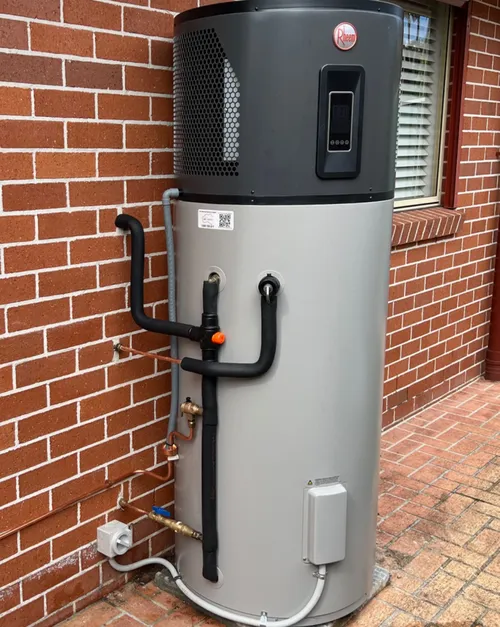
- Heat pump: These work like a reverse air conditioner, pulling heat from the air to warm water (much more efficient but higher upfront cost)
Electric Hot Water System Benefits
Electric systems have been around forever for good reasons. Here's why many Brisbane homeowners stick with electric:
- Lower upfront cost: Basic electric systems start from around $800-$1,500 installed, making them the cheapest option initially
- Simpler installation: Any licensed plumber can install them without needing gas certification, and there's no ventilation requirements
- Works anywhere: Every Brisbane home has electricity, so you don't need to worry about gas availability
- Quieter operation: No burner noise like gas systems, which matters if the unit is near bedrooms
- Less maintenance: Electric systems are simpler with fewer parts that can fail, so they need less regular servicing
- Solar compatible: If you have solar panels, your electric hot water can run on free solar energy during the day
Electric Hot Water System Drawbacks
After servicing thousands of electric systems across North Brisbane and Moreton Bay, here are the common complaints I hear:
- Higher running costs: Electricity rates in Brisbane are expensive, so your quarterly power bills will be higher than with gas
- Slower recovery: Electric elements heat water slowly, so if you run out of hot water, you might wait 1-2 hours for more
- Limited capacity: Once the tank is empty, that's it until it reheats. Big families often run out during morning shower rushes
- No power, no hot water: When blackouts hit during storms (and they do in Brisbane), you lose hot water
- Takes up space: Storage tanks are bulky and need proper placement with drainage
Cost Comparison: Gas vs Electric Hot Water Systems
Money talks, so let me break down the real costs you'll face with each system type based on what I see with Brisbane customers.
Initial Purchase and Installation Considerations
When choosing a hot water system in Brisbane, the upfront investment varies depending on the system type, capacity, brand quality, and installation requirements. Below is a general guide to what’s involved for each option.
Electric storage tank (315L – 400L):
- Available in basic, mid-range, and premium models
- Larger tanks suit families and higher water usage
- Installation complexity depends on access, electrical capacity, and existing setup
- Generally considered a straightforward and widely used option
Gas storage tank (135L – 170L):
- Comes in a range of quality levels and capacities
- Faster recovery times compared to electric storage
- Installation may involve gas compliance upgrades or ventilation requirements
- Well suited to households with existing gas connections
Gas continuous flow:
- Compact systems that heat water on demand
- Ideal for homes wanting endless hot water without a storage tank
- Installation can be more involved, especially when upgrading from electric
- Performance depends on gas supply capacity and demand across the home
Heat pump (electric):
- Highly energy-efficient systems that use ambient air to heat water
- Best suited to homes with adequate outdoor space and airflow
- Installation may involve additional planning due to size and placement
- Often chosen for long-term efficiency and reduced running costs
If your Brisbane property does not currently have a gas connection, additional work may be required to run gas from the street and ensure the system meets current safety and compliance standards.
For accurate recommendations, system sizing, and suitability, it’s always best to have a licensed plumber assess your household needs and existing setup.
Running Costs Per Year
The daily running costs tell a different story. Based on average Brisbane energy prices and a typical family of four:
Standard electric storage (off-peak tariff): $600 - $900 per year
Standard electric storage (continuous tariff): $900 - $1,400 per year
Gas storage tank (natural gas): $400 - $600 per year
Gas continuous flow (natural gas): $350 - $550 per year
Heat pump: $200 - $400 per year
These numbers assume you're not running hot water off solar panels. If you have solar and use hot water during the day, electric systems become much cheaper to run.
Payback Period Analysis
Here's where it gets interesting. Let's say you're replacing a standard electric system. You could pay the extra upfront for gas and save money over time, or stick with electric and keep initial costs low.
If you upgrade from electric storage to gas continuous flow, you'll pay about $1,500 - $2,500 more upfront but save roughly $400 - $600 per year on running costs. That means you'll break even after 3-5 years. After that, you're ahead.
For a heat pump compared to standard electric, you might pay $2,000 - $4,000 more upfront but save $400 - $800 per year. Payback time is typically 3-6 years.
The catch? You need to stay in your Brisbane home long enough to see those savings. If you're planning to sell within a few years, the cheaper electric option might make more sense.
Energy Efficiency: Which System Uses Less Energy?
Energy efficiency means getting more hot water for less energy input. This matters both for your bills and for the environment.
Gas System Efficiency
Gas hot water systems are pretty efficient at turning gas into hot water. Modern gas continuous flow systems achieve efficiency ratings of 80-85%, meaning 80-85% of the gas energy becomes hot water.
Gas storage tanks are slightly less efficient (around 70-75%) because they lose heat through the tank walls even when you're not using hot water. That's why I often recommend continuous flow for Brisbane homes.
Electric System Efficiency
Standard electric storage tanks are technically 100% efficient at converting electricity to heat at the element. But here's the thing - electricity itself is only about 30-40% efficient to produce at power stations. So even though your electric system is efficient, the overall energy chain is wasteful.
Heat pumps change this completely. They're 300-400% efficient because they move heat rather than create it. For every unit of electricity they use, they deliver 3-4 units of heat. That's why heat pumps are the most energy-efficient hot water option available in Brisbane.
Real-World Energy Use
Based on what I see with Brisbane households, here's typical energy consumption for a family of four:
- Standard electric storage: 15-20 kWh per day
- Gas storage: 8-12 MJ per day (equivalent to about 2-3 kWh)
- Gas continuous flow: 6-10 MJ per day (equivalent to about 1.5-2.5 kWh)
- Heat pump: 4-6 kWh per day
Remember these are rough figures. Your actual use depends on shower habits, water temperature settings, and how well insulated your system is.
Which Hot Water System is Best for Your Brisbane Home?
After installing systems in everything from Queenslanders to modern townhouses across Brisbane Northside and Moreton Bay, I've learned that the "best" system depends on your specific situation.
Choose Gas Hot Water If:
- You have 4 or more people in your household
- Your Brisbane home already has natural gas connected
- You want lower running costs and don't mind higher upfront investment
- You need reliable hot water during power outages (common in Brisbane storms)
- Multiple people shower at similar times each day
- You're planning to stay in your home for 5+ years
- You have space for outdoor installation with proper ventilation
Choose Electric Hot Water If:
- You need the cheapest upfront option
- Your home doesn't have gas and you don't want to pay for connection
- You have solar panels and use hot water during the day
- Your household is 2-3 people with modest hot water needs
- You want the simplest, lowest maintenance option
- You might sell your home within a few years
- You need indoor installation
Consider a Heat Pump If:
- You want the lowest possible running costs
- Energy efficiency is a priority for you
- You can handle the higher upfront investment ($3,300 - $7,500)
- You have suitable outdoor space (they need airflow and can be noisy)
- You're staying in your Brisbane home long-term (7+ years)
- You want to reduce your carbon footprint
Installation Considerations for Brisbane Homes
The practical side of installation matters just as much as choosing the right system type. I've dealt with every installation challenge Brisbane homes can throw at me.
Space Requirements
Gas continuous flow units are compact (about the size of a small suitcase) and mount on external walls. Perfect for Brisbane's smaller inner-city properties where space is tight.
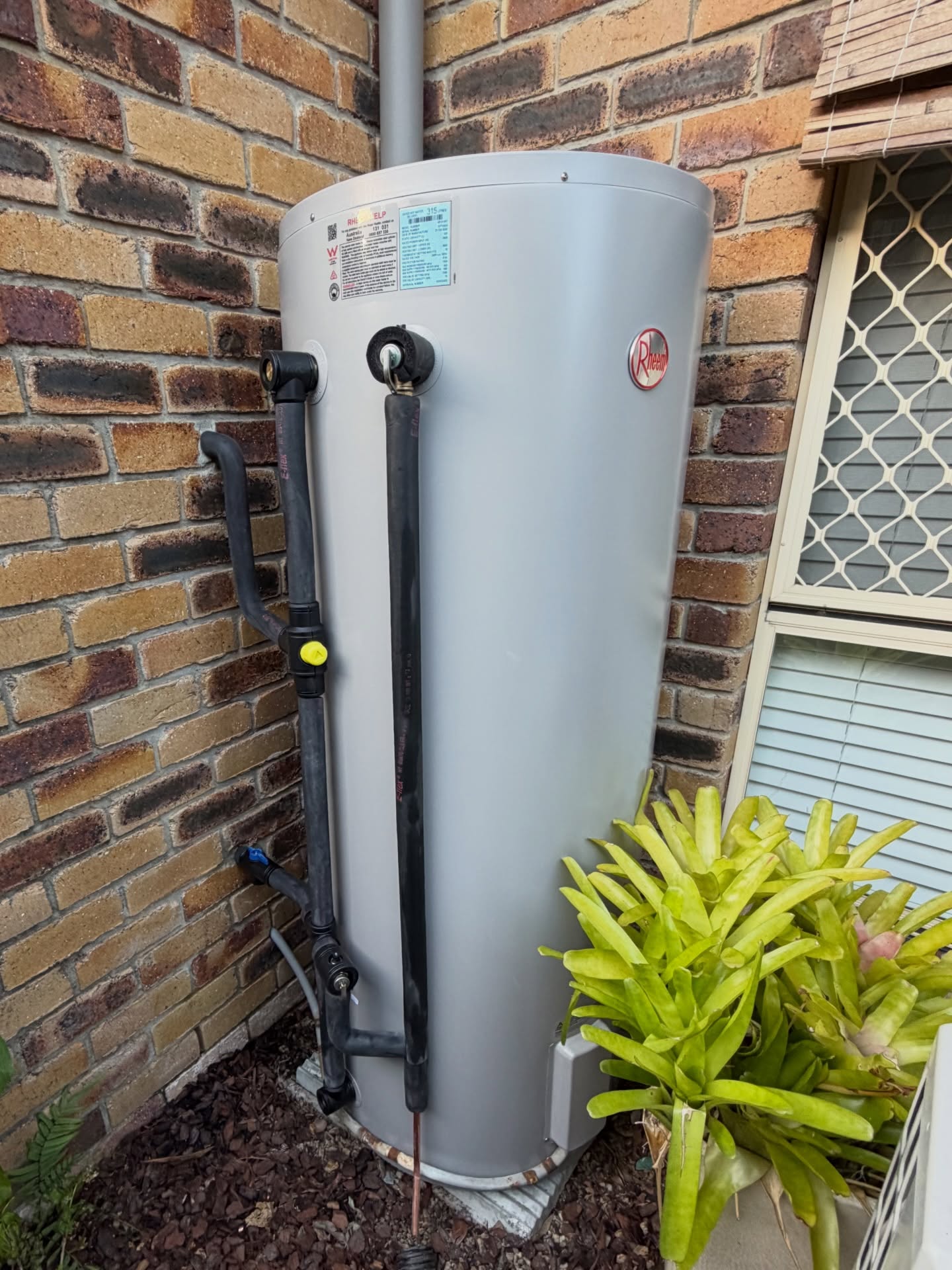
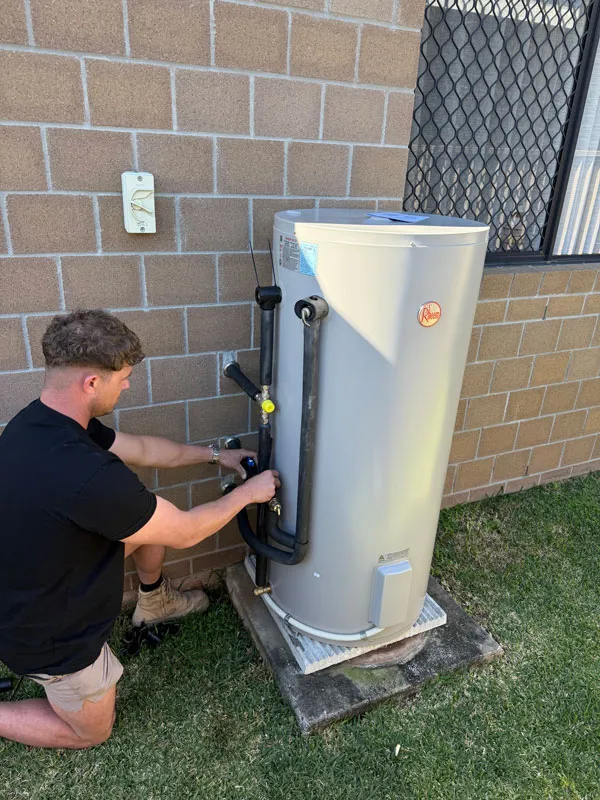
Storage tanks (gas or electric) need floor space. A typical 315L electric tank is about 1.8 meters tall and 600mm diameter. They're heavy too - around 400kg when full - so they need solid ground or proper mounting.
Heat pumps need the most space. The unit itself is bigger than a storage tank, and you need clearance around it for airflow. They also make noise (like an air conditioner), so I don't install them right outside bedroom windows.
Ventilation and Safety
Gas systems produce combustion gases that need to vent safely outside. Brisbane building codes are strict about this. Indoor installation is possible but requires proper flue systems and ventilation - it's not a DIY job.
I always install gas systems where there's good natural ventilation. Never in enclosed spaces or inside roofs without proper venting. Carbon monoxide is deadly, and I take gas safety seriously.
Access to Gas and Electricity
Check what you already have before deciding on a system type. If you're cooking with gas, you've got a gas line to the property. Connecting hot water to that line is usually straightforward.
No gas? You'll need natural gas connected from the street (expensive) or LPG bottles (ongoing hassle and cost). Sometimes this kills the gas option financially, even though running costs are lower.
For electric systems, you need a dedicated circuit from your switchboard. Most Brisbane homes already have this, but older properties might need an electrical upgrade.
Brisbane Climate Considerations
Brisbane's subtropical climate affects hot water system performance. Heat pumps work really well here because they extract heat from the air - and Brisbane air is warm most of the year.
Summer water temperatures in Brisbane pipes can hit 25-30 degrees, which means less heating needed. Winter "cold" water is around 15-18 degrees, still relatively mild compared to southern states.
Storm season is a factor too. Power outages happen, especially in outer suburbs. If reliable hot water during blackouts matters to you, gas systems win.
Lifespan and Maintenance Requirements
How long will your hot water system last, and what maintenance does it need? These questions come up constantly with Brisbane homeowners.
Expected Lifespan
Here's what I typically see across Brisbane installations:
- Electric storage tanks: 8-12 years (can reach 15 years with good maintenance and water quality)
- Gas storage tanks: 10-15 years
- Gas continuous flow: 15-20 years
- Heat pumps: 10-15 years (compressor may need replacement around 10 years)
Brisbane's water quality plays a big role. Hard water areas build up mineral deposits faster, shortening tank life while coastal areas can have corrosion issues from salt air.
Maintenance Needs
Electric storage systems need the least maintenance. I recommend:
- Annual inspection of the tempering valve
- Check the sacrificial anode every 5 years (this prevents tank corrosion)
- Drain some water quarterly to remove sediment
- Check the pressure relief valve annually
Gas systems need more attention:
- Annual service by a licensed gas plumber (required by law in Queensland)
- Clean the burner and check the pilot light
- Test safety valves and thermostats
- Check for gas leaks
- Inspect flue and ventilation
Heat pumps need regular servicing too:
- Clean or replace air filters every 3-6 months
- Annual service of the refrigeration system
- Check electrical connections
- Clear debris from around the unit
Skipping maintenance voids warranties and leads to early failures. I've seen $4,000 systems die after 5 years because no one serviced them.
Common Problems with Gas and Electric Systems
Every system type has common issues. Here's what I fix most often in Brisbane homes.
Electric Hot Water System Problems
The most common callout I get for electric systems is "no hot water." Usually it's a failed heating element or thermostat.
Leaking tanks are the other big issue. Once a tank starts leaking, you need full replacement - you can't repair them. I see this most in systems that are 10+ years old or haven't had the sacrificial anode replaced.
Off-peak systems can be frustrating if you run out of hot water during the day. The system won't reheat until the off-peak period starts (usually 11pm). Families growing larger often outgrow their off-peak capacity.
Gas Hot Water System Problems
Pilot lights that won't stay lit are the number one gas system complaint. This can be a faulty thermocouple, blocked pilot jet, or problems with the gas supply. Usually a quick fix.
Burner issues are common too. Carbon buildup reduces efficiency and can cause the system to shut down. Annual servicing prevents this.
Continuous flow systems sometimes give "cold water sandwiches" - hot water, then cold, then hot again. This happens when the flow rate drops below the activation threshold. Usually means you need to adjust tap flow or have the unit recalibrated.
Heat Pump Problems
Heat pumps can be noisy, especially in cold weather when they work harder. If yours suddenly gets loud, the fan bearings might need attention.
Refrigerant leaks are the serious issue. Without refrigerant, the heat pump can't work. Repairs are expensive ($500-1,500) and sometimes it makes more sense to replace the whole unit.
The compressor is the most expensive component. When it fails (usually around 10 years), you're looking at $1,500-2,500 for replacement or a new system entirely.
Environmental Impact: Gas vs Electric
More Brisbane homeowners are asking me about the environmental side of their hot water choice. Both systems have pros and cons.
Carbon Emissions
Natural gas produces carbon emissions when burned. A typical Brisbane household's gas hot water system emits about 1.5-2 tonnes of CO2 per year.
Electric systems depend on how Queensland generates electricity. Our grid is transitioning to renewables but still uses significant coal and gas. A standard electric storage system produces roughly 2.5-3.5 tonnes of CO2 per year based on current Queensland grid emissions.
Heat pumps produce the lowest emissions at around 0.8-1.2 tonnes of CO2 per year, even on our current grid mix.
If you have solar panels, electric hot water (including heat pumps) can run on clean energy during the day, potentially dropping emissions to near zero.
Future-Proofing
Queensland is pushing toward all-electric homes as part of emissions reduction targets. New housing developments in some Brisbane areas are being built without gas connections.
Gas hot water systems might face restrictions or higher costs in the future as climate policies change. Electric systems (especially heat pumps) align better with the state's energy direction.
But gas isn't going away tomorrow. Natural gas infrastructure exists across most of Brisbane, and many households prefer it for cooking and hot water.
Making the Switch: Replacing Your Current System
Thinking about switching from electric to gas or vice versa? Here's what's involved based on hundreds of changeover jobs I've done across Brisbane.
Electric to Gas Conversion
Switching from electric to gas isn't just swapping units. You need:
- Gas connection to your property (if you don't have it already)
- Gas line run to the hot water location
- Proper ventilation and clearances
- Gas meter installation or upgrade
- Licensed gas plumber for the work
The payback period on this investment through lower running costs is typically 5-8 years. Only makes sense if you're staying in your Brisbane home long-term.
Gas to Electric Conversion
Going from gas to electric is simpler. You need:
- Electrical circuit to the hot water location (usually already there)
- Standard plumbing connections
- Licensed plumber for the work
Your running costs will increase, but you eliminate gas connection fees and don't need annual gas safety servicing.
Upgrading Within the Same Fuel Type
Upgrading from an old electric storage to a new one, or from gas storage to gas continuous flow, is the easiest path. All the infrastructure is already there.
I can usually complete these upgrades in half a day for Brisbane homes. Costs are just the new unit plus installation labor.
Government Rebates and Incentives
Brisbane and Queensland homeowners can access rebates that reduce the cost of energy-efficient hot water systems.
Current Rebate Programs
The Queensland Government offers rebates through various programs:
- Solar hot water rebate: Up to $1,000 for installing solar or heat pump hot water systems (eligibility criteria apply)
- Battery and solar rebates: Can include hot water system upgrades as part of whole-home energy efficiency packages
- Small-scale Technology Certificates (STCs): Federal rebate for solar and heat pump systems, worth $500-1,000 depending on the system
Rebates change regularly and have eligibility requirements. When I quote jobs, I always check current programs and help Brisbane homeowners claim what they're entitled to.
Some energy retailers also offer hot water system rebates or payment plans. Check with your provider before making a decision.
Frequently Asked Questions
Is gas or electric hot water cheaper to run in Brisbane?
Gas hot water is typically cheaper to run in Brisbane. A family of four will spend around $350-600 per year on gas hot water versus $600-1,400 per year for standard electric. However, if you have solar panels and use hot water during the day, electric can be cheaper because you're using free solar energy.
How long do gas and electric hot water systems last?
Electric storage systems last 8-12 years on average, while gas storage systems last 10-15 years. Gas continuous flow systems are the longest-lasting at 15-20 years. Actual lifespan depends on water quality, maintenance, and usage patterns in your Brisbane home.
Can I switch from electric to gas hot water easily?
Switching from electric to gas requires gas connection to your property and installation by a licensed gas plumber. If your Brisbane home already has gas for cooking, the switch is relatively straightforward and costs $3,500-6,000 total. Without existing gas connection, expect $5,000-8,000 including connection from the street.
Which is better for the environment - gas or electric?
Heat pump systems (electric) are the most environmentally friendly option, producing roughly 0.8-1.2 tonnes of CO2 per year. Standard electric systems produce 2.5-3.5 tonnes per year, while gas systems produce 1.5-2 tonnes per year. If you have solar panels, electric systems running on solar energy produce near-zero emissions.
Do gas hot water systems work during power outages?
Most gas hot water systems work during power outages because they don't require electricity to operate. This is a big advantage during Brisbane's storm season when blackouts can last hours or even days in some areas. Electric systems (including heat pumps) won't produce hot water without power.
What size hot water system do I need for my Brisbane home?
For electric storage, a 2-3 person household needs 250-315L, while 4-5 people need 315-400L. Gas storage systems can be smaller because they recover faster - 135L suits 3-4 people, 170L suits 5-6 people. Gas continuous flow systems are sized by flow rate rather than storage and can handle any household size with the right model.
Ready to Choose the Right Hot Water System for Your Brisbane Home?
Deciding between gas and electric hot water systems comes down to your budget, household size, existing connections, and how long you'll stay in your home. Gas systems cost more upfront but save money over time with lower running costs. Electric systems are cheaper initially but cost more to run, unless you have solar panels.
For most Brisbane families, gas continuous flow systems offer the best balance of performance and running costs if you already have gas connected. If you're starting fresh or want the greenest option, heat pumps are the way to go despite the higher price tag.
Your hot water system is a 10-15 year decision. Take time to weigh the upfront costs against long-term running costs, and choose based on your actual household needs rather than just the cheapest option today.
Need help deciding which hot water system is right for your Brisbane home? Our team installs and services both gas and electric systems across Brisbane Northside and Moreton Bay. We'll assess your property, explain your options honestly, and install your new system properly the first time. Contact us today for a free quote and advice on the best hot water solution for your family.