Are Heat Pump Hot Water Systems Worth It in Brisbane?
Table of Contents
- The Short Answer: Brisbane's Climate Is Made for Heat Pumps
- What Is a Heat Pump Hot Water System?
- Why Brisbane's Climate Is So Good for Heat Pumps
- Heat Pump vs Electric vs Gas: The Real Cost Comparison
- Queensland Government Rebates: What Brisbane Homeowners Can Claim
- Which Brisbane Homes Get the Most Out of Heat Pumps?
- The Best Heat Pump Brands for Brisbane's Climate
- Common Questions Brisbane Homeowners Ask About Heat Pumps
- When to Call a Brisbane Plumber About Heat Pumps
- So, Are Heat Pump Hot Water Systems Worth It in Brisbane?
- Frequently Asked Questions
The Short Answer: Brisbane's Climate Is Made for Heat Pumps
Heat pump hot water systems are one of the smartest hot water choices available for Brisbane homeowners right now. Brisbane's warm subtropical climate, combined with high electricity prices and available government rebates, makes the numbers stack up better here than almost anywhere else in Australia.
But there are a few things worth knowing before you commit. Installation costs are higher than a standard electric system, placement matters more than most people realise, and not every brand performs equally well in Queensland conditions. This article walks you through everything so you can make a call that actually suits your home.
What Is a Heat Pump Hot Water System?
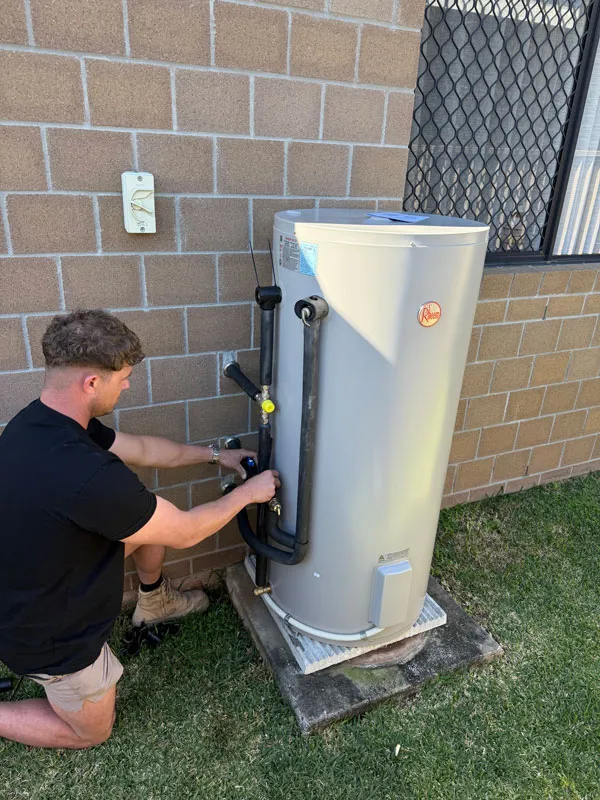
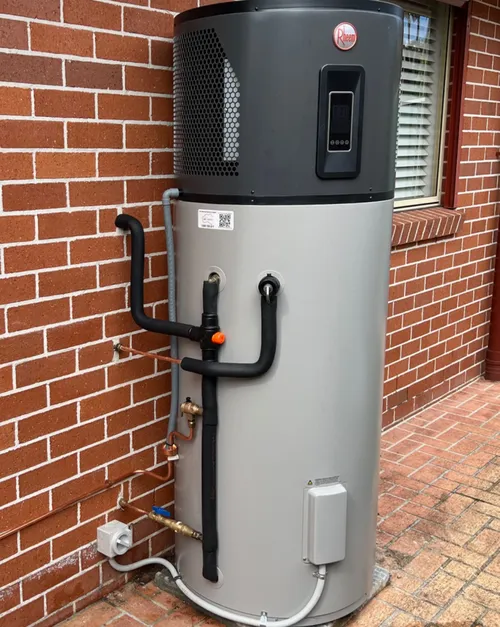
A heat pump hot water system works like your air conditioner running in reverse. Instead of pushing heat out of your home, it pulls heat from the outside air and transfers it into your water storage tank. It still runs on electricity, but it uses about a third of the power a standard electric system needs to do the same job.
Here's the part that makes the difference. For every 1 kilowatt of electricity a heat pump uses, it can deliver 3 to 4 kilowatts of heat to your water. That ratio is called the coefficient of performance, or COP. A good heat pump has a COP of 3 or higher. A standard electric resistance system has a COP of 1. That gap is where your savings come from year after year.
Why Brisbane's Climate Is So Good for Heat Pumps
Heat pumps rely on warm ambient air to operate at peak efficiency. The colder the air, the harder they have to work. This is why heat pumps become more complicated in Melbourne or Hobart, where winter nights can drop close to freezing and the efficiency gains shrink considerably.
Brisbane is a completely different story. Our winters are mild. Even on cold mornings in Stafford or Everton Park during June and July, temperatures rarely drop below 10 degrees. Most heat pumps hit their efficiency sweet spot anywhere between 15 and 35 degrees, and Brisbane sits inside that range for the majority of the year. That means your heat pump is running at close to its rated efficiency for almost 12 months, not just during summer.
I've installed heat pump systems across Brisbane suburbs from Strathpine down to Chermside and across to Kenmore, and the performance is consistently strong. Brisbane homeowners get close to what the manufacturer promises on the spec sheet. That's not always the case in cooler climates down south, where buyers sometimes feel misled by efficiency ratings that only apply in warm conditions.
Heat Pump vs Electric vs Gas: The Real Cost Comparison
If you're deciding between hot water systems, the upfront price is only part of the story. Running costs matter just as much, and that's where heat pumps pull ahead. Here's how the three main options compare for a typical Brisbane household of four people.
Annual Running Costs
With Brisbane electricity rates sitting around 30 to 35 cents per kilowatt hour, the annual running cost difference is real money. Here's a rough breakdown based on average household usage.
- Standard electric (off-peak): $700 to $1,000 per year
- Gas continuous flow: $400 to $700 per year depending on your gas tariff
- Heat pump: $300 to $500 per year
Heat pumps come out ahead even compared to gas, and with Queensland electricity prices trending upward over time, that gap tends to widen. If you're currently on a standard electric system, switching to a heat pump could save you $400 to $600 per year from day one.
Upfront and Installation Costs
This is where heat pumps have traditionally been the sticking point for Brisbane homeowners. The upfront cost of a heat pump system is noticeably higher than a standard electric or gas continuous flow system. The exact difference depends on the brand, tank size, and your home's existing setup, so it's worth getting a quote based on your specific situation.
The higher upfront cost is real, but the payback period is shorter than most people expect.
How Long Before It Pays for Itself?
If a heat pump saves you $400 to $600 per year compared to a standard electric system, the extra upfront investment typically pays itself back within a few years. After that, you're keeping the difference for the remaining 10 to 15 years of the system's life. That's a better return than most home improvement projects.
For a more detailed breakdown of repair versus replacement decisions for hot water systems, our hot water repair vs replacement guide covers exactly what to look for.
Queensland Government Rebates: What Brisbane Homeowners Can Claim
One of the most overlooked parts of the heat pump decision is the rebate situation. In Queensland, heat pump hot water systems qualify for Small-scale Technology Certificates, or STCs, under the federal government's Small-scale Renewable Energy Scheme.
STCs work as a point-of-sale discount. The number of certificates your system generates depends on its efficiency rating and your location. Brisbane sits in Zone 3, which is a strong zone for heat pump rebates. In practice, eligible Brisbane households can expect the STC discount to knock $300 to $700 off the installed price, depending on the system size and rated efficiency.
Your plumber or supplier handles the STC paperwork and applies the discount at the time of purchase. You don't need to claim anything separately or wait for a rebate to arrive in the mail.
Some Brisbane homeowners also qualify for additional state-based concessions, particularly if you hold a healthcare or pension concession card. It's worth checking the Queensland Government's energy rebate page before you commit, as these programs do change from time to time.
Which Brisbane Homes Get the Most Out of Heat Pumps?
Heat pumps work well in most Brisbane properties, but a few factors affect how well they'll perform at your specific address.
Outdoor Space and Airflow
Heat pump systems need to be installed outdoors or in a well-ventilated space like a garage or covered carport. They pull large volumes of air in from the surrounding area, so they can't be placed in a sealed or enclosed space. Most units need at least a metre of clearance on all sides to operate properly. If your block is compact, this is worth thinking through early.
Noise Considerations
Heat pumps have a fan and compressor, similar to a reverse cycle air conditioner. They're not particularly loud, but they do produce a constant operating noise. Most modern units sit between 45 and 55 decibels. If your planned placement puts the unit near a bedroom window or close to a neighbour's fence, it's something to factor into where the system goes. A good plumber will plan the placement carefully to avoid it becoming an issue down the track.
Pairing with Solar Panels
If you've got solar panels on your roof, pairing them with a heat pump hot water system is one of the most effective combinations available. You can set your heat pump to run during peak solar generation hours, effectively using free electricity to heat your water. Brisbane averages around 283 sunny days a year, and a solar and heat pump combination can reduce your hot water costs to nearly nothing over the course of a full year.
Older Brisbane Homes
Properties built before the 1980s, particularly in inner-north suburbs like Alderley, Gordon Park, or Stafford, sometimes have plumbing configurations that need a bit of adaptation before a heat pump can go in. It's not a dealbreaker, but it does mean the installation might take slightly longer and cost a little more than a straightforward swap-out on a newer home.
The Best Heat Pump Brands for Brisbane's Climate
Not all heat pump systems perform equally in Queensland conditions. A few brands consistently stand out for efficiency, reliability, and local service support.
These are the brands I recommend most often to Brisbane homeowners looking at heat pump systems.
- Reclaim Energy: Australian-made CO2 heat pump with an excellent COP rating and strong performance in warm climates. One of the most efficient units available for Brisbane conditions.
- Sanden: Another CO2 refrigerant system with a split design that runs very quietly. Popular in Brisbane's inner suburbs where noise is more of a consideration.
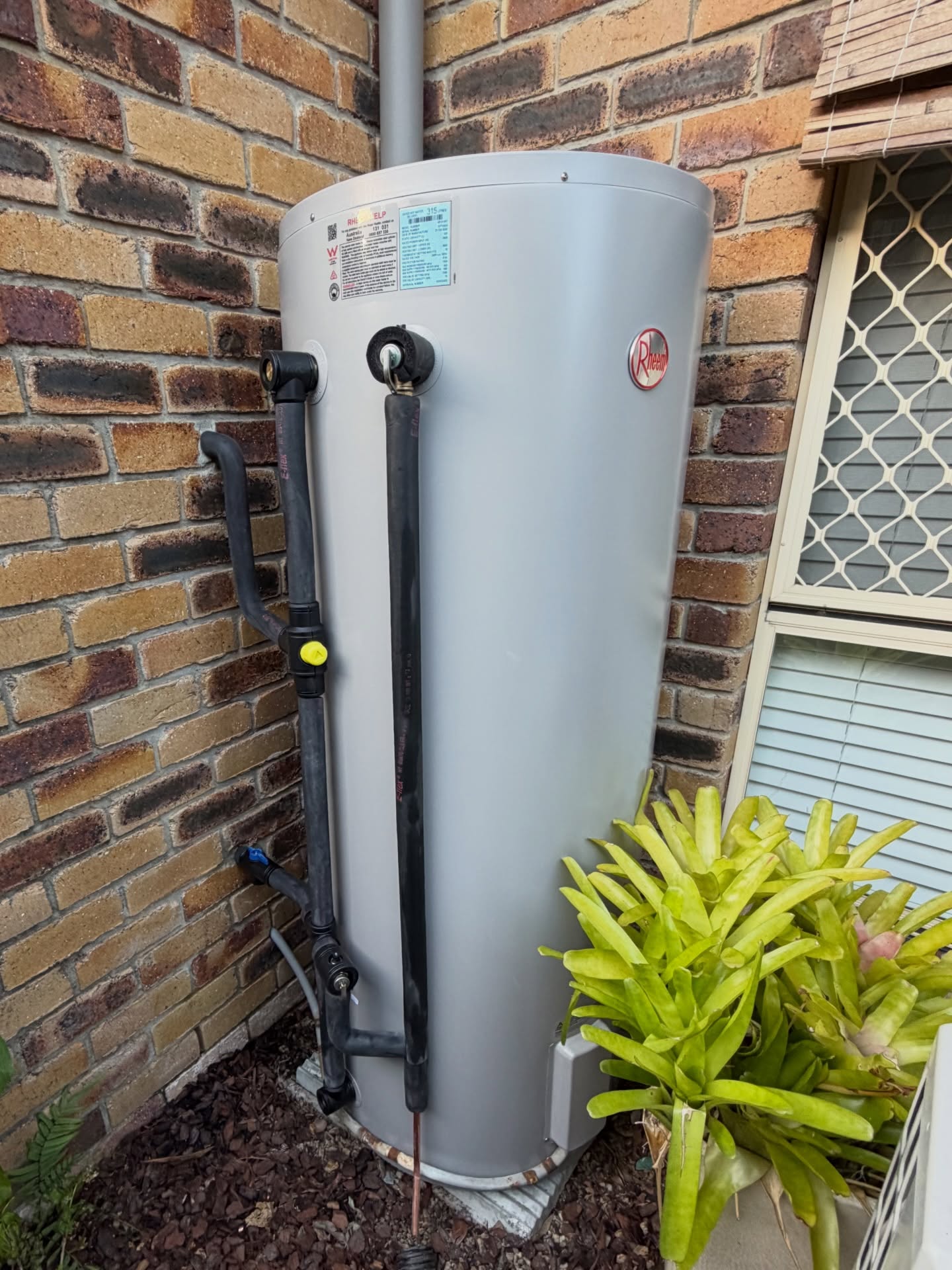
- Rheem: Wide service coverage across Brisbane and a reliable mid-range option. Their heat pump range has improved considerably in recent years.
- Dux: Good value with solid warranty coverage and consistent performance in Queensland's climate.
- Rinnai: Well-supported brand with a good Brisbane service network and competitive pricing across their heat pump range.
If you want to compare heat pump systems against other hot water options in more detail, our gas vs electric hot water systems guide covers the full breakdown. You can also browse all available hot water system types we install across Brisbane.
Common Questions Brisbane Homeowners Ask About Heat Pumps
Will a heat pump work on cold Brisbane mornings?
Yes, without issue. Brisbane's coldest mornings still sit well above the lower operating limit of any modern heat pump. Most units are rated to function down to minus 5 or minus 10 degrees. On a cold 10-degree morning in Wavell Heights in July, your heat pump is still pulling heat from the air and running efficiently.
How long does a heat pump hot water system last?
A quality system, properly installed and serviced, typically lasts 10 to 15 years. The compressor and storage tank are the main components to keep an eye on. Annual or biennial servicing by a licensed plumber helps catch small issues before they become expensive ones.
Does a heat pump need much maintenance?
Not a lot. The main tasks are keeping the air inlet clear of debris and having the system checked every year or two. Brisbane homeowners in leafy suburbs like Kenmore, Fig Tree Pocket, or Brookfield sometimes need to clear leaves and organic matter from around the unit more frequently than those in denser suburban areas. Either way, it's a five-minute job.
Can I keep my existing hot water tank?
In most cases, no. Heat pump systems come as a complete unit with their own storage tank, engineered to work together. If you're replacing an old electric storage system, the tank is typically swapped out at the same time as part of the installation.
What size heat pump do I need for my Brisbane home?
Tank size is usually matched to household size. A 160 to 200 litre tank suits one or two people. A 270 to 315 litre tank is right for three to four people. Larger households often go to 400 litres or above. Your plumber will recommend the right size based on your usage and available space.
When to Call a Brisbane Plumber About Heat Pumps
Heat pump hot water systems must be installed by a licensed plumber in Queensland. It's not a DIY option, and unlicensed installation puts your warranty, your home insurance, and your household at risk.
Call a Brisbane plumber about heat pumps if any of these apply to your situation.
- Your current hot water system is more than 10 years old and starting to cause problems
- You've had an unexpected hot water failure and need a fast replacement
- You want to take advantage of current STC rebates before the scheme structure changes
- You're building a new home or doing a renovation and want the hot water setup planned properly from the start
- You have solar panels and want to maximise how much free solar generation you're capturing
- You're switching away from gas hot water or electric hot water and want to know your upgrade options
At Weekend Plumbing Co., we install heat pump hot water systems across Brisbane Northside and Moreton Bay. We'll assess your home, recommend the right system size and brand, and take care of the STC rebate paperwork from start to finish. Reach out to the team and we'll give you a straight answer on whether a heat pump makes sense for your home.
So, Are Heat Pump Hot Water Systems Worth It in Brisbane?
For most Brisbane homeowners replacing an existing system, yes. The combination of Brisbane's warm climate, Queensland's electricity prices, and available government rebates makes heat pumps one of the most cost-effective choices available right now. Running costs are lower than gas. The environmental footprint is smaller. And when you add solar panels into the mix, your hot water bill can drop close to zero.
They're not perfect for every situation. Homes with very limited outdoor space, rental properties where you don't control the system choice, or tight budgets that can't absorb the higher upfront cost may need to look at other options like instant hot water or solar hot water instead.
But if you own your home and you're replacing a hot water system anyway, a heat pump is genuinely worth the extra upfront investment. In Brisbane's climate, the numbers work. Get in touch with Weekend Plumbing Co. and we'll walk you through the right option for your home.
Frequently Asked Questions
Are heat pump hot water systems worth it in Brisbane?
Yes, for most Brisbane homeowners. Brisbane's warm subtropical climate means heat pumps run at close to peak efficiency year-round, which is not always the case in cooler states. Combined with Queensland's high electricity prices and available STC rebates, the payback period is typically 3 to 5 years, with 10 or more years of savings to follow.
How much does a heat pump hot water system cost to install in Brisbane?
Install costs vary depending on the brand, tank size, and your home's existing plumbing setup. Heat pumps cost more upfront than a standard electric or gas system, but the running cost savings and STC rebate help offset that gap. The best way to get an accurate figure is to have a licensed Brisbane plumber assess your home and provide a quote.
What is the best heat pump hot water brand for Brisbane homes?
Reclaim Energy and Sanden are consistently top performers in Queensland conditions due to their CO2 refrigerant technology, which delivers strong efficiency in Brisbane's warm climate. Rheem, Dux, and Rinnai are reliable alternatives with good local service networks across Brisbane.
Can I get a rebate on a heat pump hot water system in Queensland?
Yes. Heat pump hot water systems qualify for Small-scale Technology Certificates (STCs) under the federal government's Small-scale Renewable Energy Scheme. Brisbane sits in Zone 3, which generates a reasonable number of certificates. The discount is typically applied at point of sale by your plumber or supplier.
Do heat pump hot water systems work on Brisbane winters?
Yes. Brisbane winters are mild enough that heat pumps continue to operate efficiently throughout the cooler months. Most modern heat pumps operate down to minus 5 or 10 degrees, well below anything Brisbane experiences. Performance on a winter morning in Brisbane is close to identical to a summer morning.
Can I pair a heat pump hot water system with solar panels?
Yes, and it's one of the most effective combinations available for Brisbane homes. By setting your heat pump to run during peak solar generation hours (typically 9am to 3pm), you can use your own solar electricity to heat water essentially for free. In Brisbane's climate, this can reduce your annual hot water cost close to zero.